
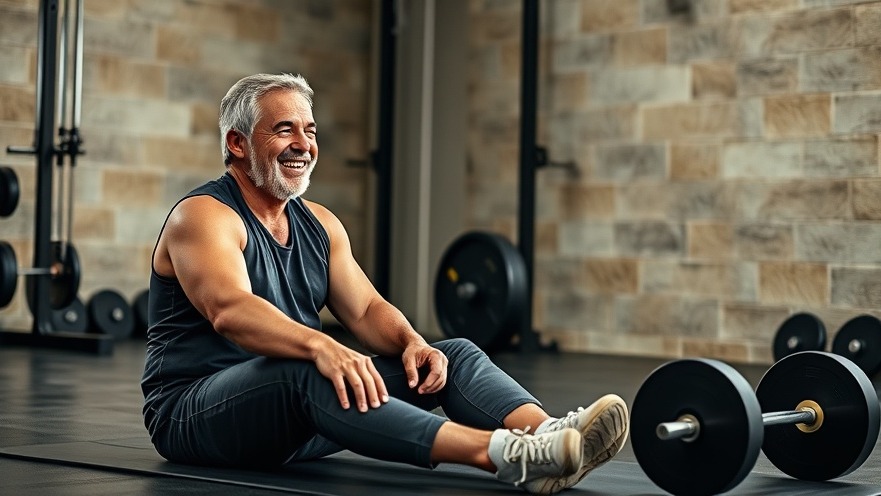
Embracing Change as You Age: Finding Strength, Balance, and Confidence in Every Season
Walk through Sacramento’s parks early in the morning and you’ll see it: people of all ages greeting the day with a quiet sense of purpose. Some are stretching near the duck pond at McKinley Park, others are walking the trails by the American River, their breath visible in the cool air.
For many, these moments aren’t about chasing fitness goals—they’re about staying connected to their bodies, their community, and their sense of independence.
If you’ve ever looked in the mirror and wondered when your body started feeling different, you’re not alone. Aging can stir up uncertainty—but it can also open the door to a wiser, stronger version of yourself.
Science is showing us that growing older doesn’t mean slowing down; it means learning to work with your body instead of against it.
Aging Redefined: More Than Just Years
It’s easy to equate aging with decline—those birthday milestones can whisper that time is slipping away. Yet the truth, supported by decades of research, is far more hopeful.
Dr. Luigi Ferrucci, Scientific Director at the National Institute on Aging, has spent years studying the biology of longevity.
“Aging itself is not a disease,” says Dr. Ferrucci. “It’s the accumulation of experiences in the body—and many of those experiences can be shaped by lifestyle.”
If you’ve ever felt discouraged by what the scale says or how your knees sound when you stand, remember that lifestyle choices can rewrite your story.
Sacramento’s active culture—bike paths, farmers markets, and year-round sunshine—makes it easier than ever to move, eat well, and enjoy a fulfilling life at any age.

Understanding What’s Happening Inside
Sometimes, the changes we feel—stiff joints, slower recovery, more frequent fatigue—can feel like betrayal. But your body isn’t turning on you; it’s simply adapting. Muscle fibers naturally shrink, bones lose density, and arteries can stiffen over time.
Heart disease and osteoporosis may sound intimidating, but knowledge is power. Understanding why these changes happen gives you the ability to act early.
Dr. Karen Ansel, registered dietitian and author of Healing Superfoods for Anti-Aging, puts it simply:
“What we eat, how we move, and how we manage stress all influence how quickly or slowly these biological processes unfold.”
If you’ve ever worried that it’s “too late” to start taking care of yourself, science says otherwise. Even small daily adjustments—swapping processed foods for whole ones, taking short evening walks, or joining a local movement class—can protect your heart and strengthen your bones well into your seventies and beyond.
The Metabolism Myth: Your Fire Still Burns
It can be frustrating to feel like your metabolism betrayed you somewhere between your thirties and sixties. But new science offers reassuring news: it hasn’t slowed nearly as much as you think.
A 2021 study in Science revealed that our metabolic rate remains remarkably steady from age 20 to 60 and declines by only about one percent per year afterward. That small shift often reflects reduced activity, not age itself.
Dr. Herman Pontzer, lead researcher at Duke University, notes:
“People often blame aging for weight gain, but the biggest shifts in energy use come from changes in activity, not from turning another year older.”
If you’ve felt discouraged by extra pounds or sluggish energy, remember that movement—any movement—is medicine. Gardening, dancing at a local festival, or walking with a friend through the Fab 40s all keep your internal engine humming.
Sacramento’s climate and outdoor lifestyle make it easy to rediscover the joy of staying active.

Mobility: The Freedom to Keep Living Fully
Few things are more disheartening than realizing you can’t move as freely as you once did. Bending, reaching, or climbing stairs can feel harder, and that can chip away at your confidence.
But mobility isn’t just about flexibility—it’s about independence. Each step, stretch, and turn helps your joints stay nourished and your balance stay sharp.
Dr. Julie O’Shea, a Northern California physical therapist who specializes in older adults, reminds her patients:
“When you keep your joints moving, you’re also keeping blood and nutrients circulating to those tissues. It’s truly a ‘use it or lose it’ system.”
If you’ve avoided movement because of stiffness or fear of falling, start small.
A few minutes of gentle stretching each morning, chair yoga at a community center, or tai chi by the river can rebuild confidence and comfort. The goal isn’t perfection—it’s progress and participation in your own well-being.
Strength Training: The Real Fountain of Youth
There’s a moment of empowerment that comes from realizing you can lift your own groceries, open a stubborn jar, or carry your grandchild with ease. That’s what strength training gives back—not vanity, but vitality.
Losing muscle is a natural part of aging, but it’s far from inevitable. Research shows that consistent resistance training—whether using weights, resistance bands, or bodyweight exercises—can reverse muscle loss and even improve bone density.
Dr. Wayne Westcott, exercise science professor at Quincy College, explains:
“Within a few months of consistent training, older adults can see 30 to 50 percent improvements in strength. That translates into better posture, improved metabolism, and more energy for daily life.”
If you’ve ever felt intimidated by the idea of lifting weights, know that your body responds beautifully to gradual challenge.
Start with movements that feel doable—wall push-ups, light dumbbells, or even carrying laundry upstairs mindfully. Each small act of strength tells your body: we’re still in this together.

Mind-Body Connection: Training Your Perspective
Even the most well-intentioned plans can crumble when motivation fades. Some days it’s not your muscles that resist—it’s your mind.
Dr. Ellen Langer, a Harvard psychologist known for her work on “mindful aging,” discovered that mindset itself can shape physical outcomes.
“When people believe their bodies are capable and resilient, they act that way—and their biology follows suit.”
If you’ve ever felt defeated after missing workouts or noticing wrinkles, try shifting the inner dialogue. Instead of “I’m getting old,” say, “I’m getting adaptable.”
Sacramento’s yoga studios, mindfulness meetups, and outdoor meditation circles can help you reconnect with that inner strength. Movement feels lighter when it’s driven by gratitude rather than guilt.
Community: The Heartbeat of Sacramento Wellness
Healthy aging doesn’t happen in isolation. It’s in the conversations on morning walks, the smiles exchanged at group fitness classes, and the encouragement that comes from seeing someone your age conquer a new challenge.
Sacramento’s community programs—from senior fitness at the YMCA to tai chi at McKinley Park—offer more than workouts. They create belonging.
Studies show that social engagement lowers stress and inflammation, strengthens immunity, and even extends lifespan. Simply put, connection heals.
If you’ve ever felt hesitant to join a class or walk into a gym, remember—everyone started somewhere. The community here thrives on support, not perfection. You’ll find people cheering you on, one step, one stretch, one story at a time.

Advocating for Your Health: Becoming Your Own Expert
Taking charge of your well-being can feel daunting, especially if you’ve spent years putting others first. But you deserve the same care and attention you give to everyone else.
Ask your doctor about screenings, exercise options, or a referral to a physical therapist. Explore local gyms or studios that specialize in older-adult fitness. The more you learn about your body, the more confident you’ll feel making choices that support it.
If you’ve ever worried about doing it “wrong,” start with what feels right—your body will guide you. It’s never too late to begin, and every day you take action adds to your strength story.
Your Next Chapter: Writing It with Purpose
Aging isn’t a countdown—it’s a collection of chapters, each with new opportunities to live with purpose. Your body may change, but your capacity for growth doesn’t fade.
Every walk by the river, every mindful breath, every act of self-care is a statement: I’m still evolving.
In Sacramento, where community, sunshine, and open spaces invite movement, you already have the tools to age with strength and grace. Stay curious. Stay compassionate with yourself. And most importantly—keep moving toward the life you want, one powerful, intentional step at a time.
Because aging well isn’t about holding on to youth; it’s about discovering what’s possible when you stop fearing change and start embracing it.
Looking for more fitness inspiration? Visit our Fitness Focus section — and check out other wellness categories on Sacramento Living Well.
---
Authored by the Sacramento Living Well Editorial Team — a publication of DSA Digital Media, dedicated to highlighting wellness, local living, and inspiring community stories throughout Greater Sacramento.


Write A Comment