
Combining strength training with Pilates creates a balanced workout that builds muscle while improving stability, posture, and movement control. Many people think they have to choose between lifting weights or doing mobility-focused workouts, but the real benefits often come from using both together. When strength and Pilates work side by side, the body becomes not only stronger, but more stable and efficient in everyday movement.
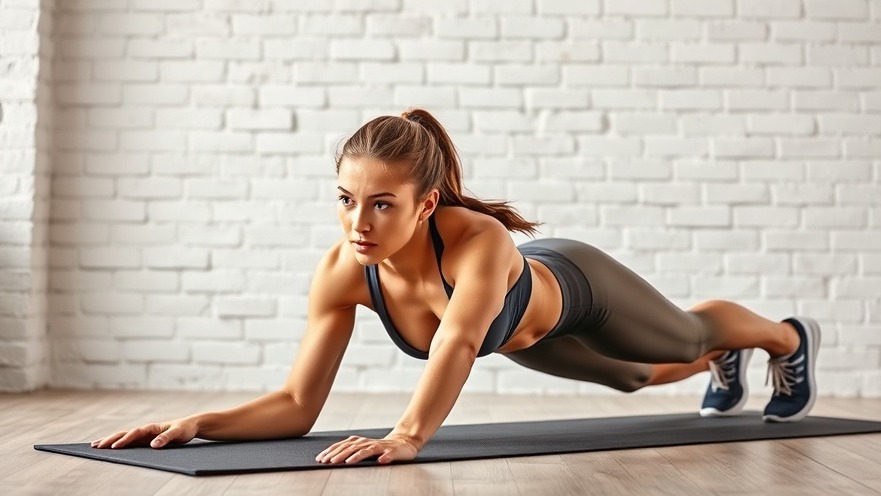
When Strength Meets Control: Why Combining Strength Training and Pilates Creates a Smarter Workout
Fitness advice can feel overwhelming. One expert recommends lifting heavier weights, another emphasizes flexibility and mobility, and countless workout programs promise fast results with minimal effort.
For many people trying to stay healthy while juggling work, family, and everyday responsibilities, the challenge isn’t motivation—it’s figuring out which approach actually works.
What kind of exercise routine builds strength, protects the body from injury, and still feels sustainable week after week?
Increasingly, trainers and movement specialists are discovering that the answer isn’t choosing one training method over another. Instead, the most effective programs combine complementary forms of exercise that support the body in different ways.
One pairing that has gained growing attention in fitness communities is the combination of strength training and Pilates. At first glance, the two approaches might seem unrelated.
Strength training typically involves lifting weights or using resistance to build muscle, while Pilates focuses on controlled movements designed to strengthen the core and improve alignment.
Yet together, they create a surprisingly powerful training system.
Sometimes the most effective workout plan isn’t about choosing one method—it’s about blending the right ones.
When strength training is paired with Pilates, the body gains muscle while also improving balance, flexibility, posture, and overall movement efficiency. The combination creates a training experience that builds power while reinforcing control, helping people move with confidence both inside and outside the gym.
In 'Benefits of Combining Strength and Pilates,' the discussion dives into the powerful synergy between these fitness modalities, exploring key insights that sparked deeper analysis on our end.
Muscle Matters: Why Strength Training Remains Essential
Strength training has long been considered a cornerstone of physical fitness, and for good reason. Exercises that challenge muscles through resistance—whether with dumbbells, barbells, resistance bands, or bodyweight movements—stimulate muscle growth and strengthen bones.
These benefits become particularly important as people move through adulthood. Beginning as early as the 30s, the body gradually starts to lose muscle mass, a natural process known as sarcopenia.
If that muscle loss isn’t counteracted through resistance exercise, it can affect balance, metabolism, and long-term mobility.
For adults in their 30s, 40s, and beyond, maintaining strength becomes less about athletic performance and more about preserving the ability to move confidently through everyday life.
Muscle helps stabilize joints, supports posture, and allows the body to handle routine activities like lifting groceries, carrying children, or climbing stairs without strain. In addition, strength training plays a role in regulating blood sugar and supporting metabolic health.
Dr. Stuart Phillips, PhD, professor of kinesiology at McMaster University and a widely respected researcher in muscle physiology, has spent decades studying how resistance training affects the body.
“Strength training helps preserve muscle mass, which is essential for maintaining mobility, metabolic health, and independence as people age.”
His research highlights an important point that many people overlook: muscle isn’t just about strength—it’s about longevity. A strong muscular system allows the body to function efficiently and safely over time.
However, muscle alone doesn’t guarantee healthy movement. Without proper stability and alignment, lifting heavier loads can sometimes place stress on joints or connective tissues. That’s where Pilates provides a powerful complement.

Pilates: The Hidden Engine of Better Movement
Pilates is sometimes misunderstood as simply a stretching routine, but its true focus lies in strengthening the body’s deep stabilizing muscles.
Developed by Joseph Pilates in the early twentieth century, the method was originally designed to help dancers and athletes build control, alignment, and balanced strength throughout the body.
Rather than emphasizing large muscle groups alone, Pilates targets the smaller muscles that stabilize the spine, hips, and shoulders—areas that play a critical role in movement quality.
Through slow, controlled exercises paired with intentional breathing, Pilates encourages people to become more aware of how their bodies move.
Participants learn to activate the core, maintain proper alignment, and move with precision rather than relying on momentum. This focus on control may appear subtle from the outside, but it has a profound effect on overall strength and coordination.
Rael Isacowitz, founder of BASI Pilates and one of the world’s leading Pilates educators, explains that the method strengthens the body in a uniquely foundational way.
“Pilates strengthens the body from the inside out by activating the deep stabilizing muscles that support posture, alignment, and efficient movement.”
When these stabilizing muscles are strong, the body moves with greater efficiency. Posture improves, balance becomes more reliable, and everyday movements feel more controlled.
For individuals who already participate in strength training, Pilates often reveals hidden weaknesses—muscles that may not be activated during traditional lifting exercises. By strengthening those areas, Pilates creates a foundation that allows larger muscle groups to function more effectively.
Where Strength and Control Finally Meet
Think of strength training as building the engine of the body, while Pilates fine-tunes the steering system. One develops raw power, while the other refines how that power is used. When these two approaches are combined, the body becomes not only stronger but also more coordinated and resilient.
Strength training focuses primarily on larger muscle groups such as the quadriceps, glutes, chest, and back. These muscles generate the force needed to push, pull, lift, and carry.
Pilates, in contrast, emphasizes the deep muscles responsible for stabilization and alignment. When both systems work together, they create a balanced form of strength that supports movement from the inside out.
Consider a simple movement like a squat. At first glance, it may appear to be purely a leg exercise. However, performing a squat correctly requires coordinated engagement throughout the entire body.
The core must stabilize the spine, the hips must remain aligned, and the feet must maintain balance on the floor.
Pilates training helps develop these supporting systems.
Imagine lowering into a squat with your spine tall, hips steady, and core fully engaged. Instead of struggling to maintain balance, the movement feels smooth and controlled.
The body moves as one connected unit rather than a collection of separate parts. That kind of coordination not only improves lifting performance but also reduces strain on joints and connective tissues.
In many ways, Pilates acts as the bridge between strength and control.

The Mind-Body Advantage Most Workouts Overlook
Another benefit of combining strength training with Pilates lies in the deeper connection between the mind and the body. While many workouts emphasize intensity or repetition, Pilates encourages participants to focus closely on how their bodies move. Breathing patterns, muscle engagement, and posture become part of every exercise.
This heightened awareness often carries over into other forms of training.
Dr. Tiffany Field, PhD, director of the Touch Research Institute at the University of Miami School of Medicine, has studied the neurological benefits of mindful movement practices.
“Mind-body exercises improve body awareness and reduce stress hormones, which helps people move more efficiently and recover more effectively.”
When people become more aware of their movement patterns, they naturally begin to correct subtle habits that can lead to strain.
Something as simple as engaging the core during a lift or maintaining proper spinal alignment during a push-up can significantly reduce stress on the body. Over time, this awareness transforms workouts from a series of mechanical repetitions into a more intentional practice.
For many people, that shift changes the entire experience of exercise.
Workouts begin to feel purposeful rather than exhausting, and the body responds with improved performance and faster recovery.
Injury Prevention Through Balanced Training
One of the most overlooked advantages of combining strength training and Pilates is injury prevention. Many exercise-related injuries occur not because a movement is inherently dangerous, but because the body is unbalanced.
When certain muscles become dominant while others remain weak, the body compensates in ways that place unnecessary stress on joints and connective tissues.
Pilates addresses these imbalances by strengthening muscles that are often neglected in traditional workouts.
For example, individuals who lift weights frequently develop strong quadriceps but may have comparatively weaker glutes or hamstrings.
This imbalance can contribute to knee pain or lower-back discomfort. Pilates exercises frequently target these stabilizing muscles, helping restore balance throughout the body.
The same principle applies to the upper body. Strength workouts often emphasize chest and shoulder muscles through pressing movements. Without adequate strengthening of the upper back and shoulder stabilizers, posture may gradually shift forward.
Pilates counteracts this by encouraging spinal alignment and strengthening the muscles that support healthy posture.
The result is a body that isn’t just powerful—but balanced and resilient.

What People Often Notice First
For many individuals, the benefits of combining strength training and Pilates become noticeable sooner than expected. Movements begin to feel smoother and more controlled, posture improves, and core stability increases.
Imagine someone who has lifted weights for years but struggles with tight hips or occasional back discomfort. After incorporating Pilates sessions into their weekly routine, they may begin to notice subtle changes. Lifts feel more stable. Balance improves. Breathing becomes more controlled during workouts.
Even everyday movements begin to feel different.
Sitting at a desk becomes more comfortable. Walking feels lighter and more balanced. Tasks like lifting groceries or climbing stairs require less effort.
These improvements often happen gradually, but once they appear, they can transform how a person feels throughout the day.
The body begins to move the way it was designed to.
A Practical Way to Begin
For those interested in trying this approach, getting started doesn’t require a complicated program. Many trainers recommend beginning with two or three strength training sessions per week and incorporating one or two Pilates sessions alongside them.
Even short workouts can provide meaningful benefits.
A balanced routine might include foundational strength exercises such as squats, deadlifts, push-ups, and rows. These movements can then be paired with Pilates-inspired exercises that emphasize core stability and controlled movement, such as planks, glute bridges, and spinal articulation exercises.
The goal isn’t complexity—it’s intention.
Focusing on proper alignment, controlled breathing, and smooth movement can transform even a short workout into a highly effective training session. Over time, these habits reinforce strength while protecting the body from unnecessary strain.
Consistency, more than intensity, becomes the key to progress.

The Bigger Picture of Sustainable Fitness
In a fitness culture often driven by extreme programs and quick results, the combination of strength training and Pilates offers a refreshingly balanced alternative. Strength training builds muscle, power, and metabolic health, while Pilates improves stability, flexibility, posture, and body awareness.
Together they create a training system that supports the body from multiple angles.
Instead of pushing the body to exhaustion or focusing solely on appearance, this approach emphasizes sustainable fitness—the kind that supports everyday movement and long-term health.
The most effective fitness routines aren’t always the most intense.
They’re the ones that help people move well, feel strong, and stay active for years to come.
Not just stronger workouts.
But a stronger life.
Looking for more fitness inspiration? Visit our Fitness Focus section — and check out other wellness categories on Sacramento Living Well.
---
Authored by the Sacramento Living Well Editorial Team — a publication of DSA Digital Media, dedicated to highlighting wellness, local living, and inspiring community stories throughout Greater Sacramento.


Write A Comment