
Protein becomes more important as we age because the body gradually loses muscle and becomes less efficient at using protein to maintain strength and physical function. Many people assume protein needs decrease later in life, but research suggests that older adults often need to pay closer attention to protein intake to help support muscle health, mobility, recovery, and overall independence.

Picture an older couple moving comfortably around their kitchen, chatting as breakfast cooks on the stove. Their morning routine may seem ordinary, but it highlights an important part of healthy aging.
As people live longer, everyday food choices can have a major impact on strength, energy, and overall health. Protein is one nutrient that deserves special attention.
This article explains why protein becomes more important with age and what current research tells us about supporting muscle health, recovery, and independence in later life.
Everyday Observations: The Rising Importance of Protein for Older Adults
Getting older brings changes that many people notice over time. Friends or family members may talk about feeling weaker, having less energy, or needing more time to recover after everyday activities.
While these changes are often considered a normal part of aging, they are also linked to muscle loss and changing nutrition needs.
One nutrient becomes especially important during this stage of life: protein. For older adults, getting enough protein is no longer just a healthy suggestion. It plays an important role in maintaining strength, energy, mobility, and independence.
Research shows that protein helps support muscle mass, bone health, and the body's ability to recover from illness, injury, and daily wear and tear. This becomes increasingly important because the body gradually becomes less efficient at building and repairing tissue with age.
Many older adults notice the difference in everyday life. Those who regularly eat protein-rich foods often report feeling stronger, more energetic, and better able to stay active.
On the other hand, too little protein may contribute to weakness, difficulty with daily tasks, and a greater risk of falls or prolonged recovery after illness. As scientists continue to study healthy aging, the message has become increasingly clear: protein is not just for athletes or bodybuilders.
It is one of the key nutrients that helps support health, strength, and independence later in life. Understanding why protein becomes more important with age helps explain how simple food choices can have a meaningful impact on long-term health and quality of life.
Why Protein Becomes More Important as We Age for Maintaining Muscle Mass and Vitality
After middle age, adults naturally begin to lose muscle over time unless they stay active and support their bodies with good nutrition. This age-related muscle loss, known as sarcopenia, can lead to reduced strength, slower movement, and greater difficulty performing everyday tasks.
Protein plays an important role in slowing this process. As we get older, the body becomes less efficient at using dietary protein to build and maintain muscle. As a result, older adults often need to pay closer attention to protein intake than they did when they were younger.
Research by Dr. Luc van Loon, a professor of exercise physiology and nutrition at Maastricht University, has shown that aging muscles don't respond as strongly to protein as younger muscles do.
This helps explain why regular protein intake becomes increasingly important for maintaining strength, mobility, and physical function later in life. Experts say that getting enough protein on a consistent basis can help older adults maintain muscle mass, support immune health, and recover more effectively from illness, injury, or periods of inactivity.
Research has also found that older adults who consume higher amounts of protein often maintain better mobility and physical function as they age. While protein alone isn't the answer, it can be an important part of staying active and independent.
In addition to supporting muscle health, adequate protein may help support bone health and improve the body's ability to recover after hospitalization, illness, or other physical setbacks.
The growing focus on protein comes from both scientific research and everyday experience. Many older adults want to remain active, travel, enjoy hobbies, and live independently for as long as possible.
Research increasingly suggests that getting enough protein can help support those goals and contribute to a healthier quality of life.

How Lifestyle Changes Shift Protein Needs in Older Adults
As people get older, everyday changes can affect both appetite and eating habits. Retirement, lower activity levels, chronic health conditions, dental problems, or cooking for one person can all make it harder to eat enough protein consistently.
At the same time, the body still needs adequate protein to help maintain muscle, recover from illness, and support overall health.
Because of this, many nutrition experts encourage older adults to focus on practical, easy-to-prepare protein-rich foods and to include protein throughout the day rather than relying on one large meal.
Simple adjustments—such as keeping convenient protein-rich foods on hand or planning meals ahead of time—can help make meeting protein needs easier and more realistic.
What You'll Learn About Why Protein Becomes More Important as We Age
The science connecting protein intake, muscle loss, and healthy aging
How dietary protein supports bone health, energy, and recovery
Practical insights from researchers and nutrition experts
Frequently asked questions about protein for older adults
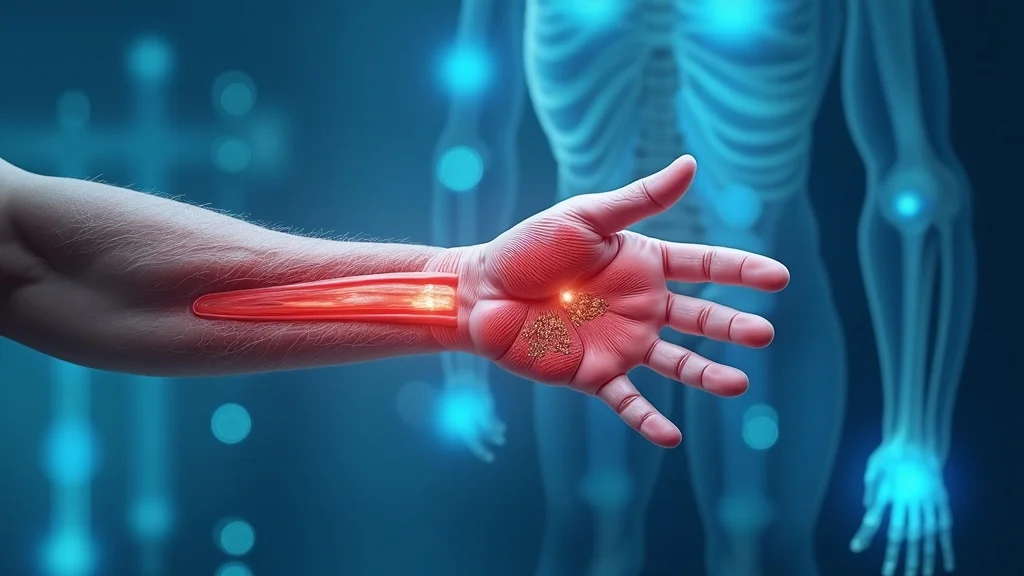
Why Muscle Loss Happens With Age—And How Protein Consumption Matters
Sarcopenia is the gradual loss of muscle that occurs as people get older. A combination of factors contributes to this process, including changes in hormone levels, lower activity levels, and other age-related changes in the body.
As adults age, levels of hormones that help support muscle growth, such as testosterone and growth hormone, naturally decline. This can slow the body's ability to maintain and rebuild muscle over time.
Many people also become less physically active as they get older, whether because of retirement, injury, health conditions, or lifestyle changes.
Since muscles need regular activity to stay strong, less movement can lead to additional muscle loss. As a result, the same amount of protein that helped maintain muscle in younger years may not be enough later in life.
Research shows that older adults don't use protein as efficiently as younger adults to build and repair muscle.
Scientists often refer to this age-related change as anabolic resistance, which simply means that aging muscles need a stronger signal from nutrition and exercise to support muscle growth and maintenance.
Research led by Dr. Elena Volpi, Professor of Geriatrics at the University of Texas Medical Branch, has helped show that aging muscles require more nutritional support to activate the body's muscle-building processes.
This helps explain why adequate protein intake becomes increasingly important with age.
For this reason, many researchers and nutrition experts recommend that adults over 60 consume more protein than the minimum amount recommended for younger adults.
The goal is to help maintain muscle mass, strength, and physical function as the body changes over time.
Physical activity remains one of the most important tools for healthy aging, especially strength-training exercises that challenge the muscles. However, exercise and nutrition work best together.
Regular movement combined with adequate protein intake provides the support muscles need to stay as strong and functional as possible.
Understanding how the body's response to protein changes with age can help people make more informed nutrition choices.
In addition to supporting muscle maintenance and repair, protein supplies essential amino acids that contribute to immune health, recovery, and overall well-being.
For many older adults, small changes in daily eating habits can make a meaningful difference. Consistently meeting protein needs may help support better mobility, reduce the risk of falls, and improve recovery after illness, injury, or surgery.

Protein Intake and Its Role in Preserving Muscle Mass
Every part of the body, including muscles, skin, and organs, relies on protein to function properly. Protein provides amino acids that help repair and maintain tissues throughout the body.
As people age, muscle naturally breaks down faster and becomes harder to rebuild. Because of this, getting enough protein becomes increasingly important for maintaining strength and physical function.
Research suggests that both the amount and quality of protein matter. Foods that provide all of the essential amino acids, such as eggs, dairy products, fish, poultry, and soy foods, can help support muscle maintenance and recovery.
Many experts also recommend spreading protein intake throughout the day by including protein-rich foods at breakfast, lunch, and dinner.
In addition to supporting muscle health, protein also plays a role in immune function, wound healing, recovery after illness or injury, and overall health as people age.
How Essential Amino Acids Support Recovery and Strength
Essential amino acids are amino acids that the body cannot make on its own, which means they must come from food.
They play an important role in many everyday functions, including building and repairing tissues, supporting digestion, and helping the immune system work properly.
Because of this, getting enough high-quality protein that contains essential amino acids becomes increasingly important.
Research shows that foods such as lean meats, fish, dairy products, eggs, tofu, beans, and lentils provide essential amino acids that help support muscle health and overall well-being.
These foods can help the body maintain strength and recover more effectively after illness, injury, or surgery. Nutrition experts often highlight leucine, one of the essential amino acids that plays a key role in helping the body build and maintain muscle.
Leucine is found in many protein-rich foods, including dairy products, eggs, meat, fish, soy foods, and some plant-based protein sources.
Getting enough complete proteins—foods that contain all of the essential amino acids—can help support muscle maintenance, recovery, and healthy aging.
For older adults, this may contribute to better strength, mobility, and independence over time. One of the advantages of protein nutrition is the variety of choices available.
Whether someone prefers animal-based foods, plant-based foods, or a combination of both, there are many ways to meet protein needs while accommodating personal preferences, cultural traditions, health goals, or dietary restrictions.

Protein Intake: Quantity, Quality, and Timing
Getting enough protein is important, but the type of protein you eat and when you eat it also matter. Foods that contain all of the essential amino acids can help support muscle maintenance and strength, especially as people get older. Nutrition experts recommend including a variety of protein sources in your diet and spreading protein intake throughout the day rather than eating most of it in a single meal.
For older adults, this may mean adding more protein-rich foods to breakfast and lunch. Options such as yogurt, eggs, beans, lentils, tofu, fish, and lean meats can help increase protein intake while providing other important nutrients.
Whether protein comes from animal-based foods, plant-based foods, or a combination of both, including protein regularly throughout the day can help support muscle health, maintain energy levels, and aid recovery after physical activity, illness, or injury.

How Much Protein Do Older Adults Really Need?
Recent research has provided a better understanding of protein needs for adults over 60. For many years, the Recommended Dietary Allowance (RDA) for protein was based on the minimum amount needed to prevent deficiency.
However, newer research suggests that this amount may not be enough to fully support muscle health and physical function in many older adults.
Many researchers now suggest that older adults may benefit from consuming about 1.0 to 1.2 grams of protein per kilogram of body weight each day. Some people may need more, especially if they are recovering from illness, healing after surgery, physically active, or managing certain health conditions.
One reason for these higher recommendations is that aging muscles do not respond to protein as efficiently as they once did. As a result, older adults may need more dietary protein to maintain muscle, strength, and mobility over time.
Researchers are also studying how protein timing affects muscle health. Many experts now recommend spreading protein intake throughout the day instead of eating most of it at a single meal. Including protein at breakfast, lunch, and dinner may help the body use protein more effectively.
Studies have also examined protein quality. Complete proteins—foods that contain all essential amino acids—appear to be especially effective for supporting muscle health. These proteins are found in foods such as eggs, dairy products, fish, poultry, and soy foods.
At the same time, balanced diets that include a variety of both animal-based and plant-based protein sources can also support healthy aging when overall protein needs are met. Researchers continue to study how protein works alongside exercise, sleep, and overall nutrition to support long-term health.
While recommendations may continue to evolve, the overall message remains consistent: getting enough protein becomes increasingly important with age.
Recommended Daily Protein Intake for Various Age Groups |
||
Age Group |
Recommended Protein (grams/kg body weight/day) |
Example (70 kg adult) |
|---|---|---|
Young Adults (19-64 years) |
0.8 |
56g |
Older Adults (>65 years) |
1.0–1.2 |
70–84g |
Recovery/Illness |
1.2–1.5 |
84–105g |
Animal Versus Plant Protein: Implications for Muscle Mass and Bone Health
Both animal-based and plant-based proteins can help older adults meet their protein needs, but they provide nutrients in slightly different ways.
Animal proteins, including poultry, fish, eggs, and dairy products, are considered complete proteins because they contain all of the essential amino acids the body needs.
These foods are also easy for the body to digest and use, making them a convenient source of protein for many people.
Plant-based proteins can also support healthy aging when eaten as part of a balanced diet. Foods such as beans, lentils, soy products, nuts, seeds, peas, and whole grains provide important amino acids and can help people meet their daily protein needs when included regularly in meals and snacks.
Research has also shown that many plant-based protein foods offer additional health benefits. They often provide fiber, antioxidants, vitamins, and minerals while containing less saturated fat than some animal-based foods.
These qualities have been linked to better heart health and a lower risk of certain chronic health conditions.
At the same time, animal-based protein foods remain valuable, especially for people recovering from illness, healing after surgery, or at risk of nutrient deficiencies.
Because these foods provide concentrated amounts of protein and essential amino acids, they can be an efficient way to support muscle maintenance and recovery.
For many older adults, a combination of both animal-based and plant-based protein sources can provide the greatest flexibility.
This balanced approach can help support muscle health, bone health, and overall nutrition while allowing people to choose foods that fit their tastes, lifestyle, and personal preferences.

Timing Matters: How Spreading Protein Consumption Influences Muscle Retention
Getting enough protein is important, but when you eat it can matter too. Research suggests that older adults may benefit from spreading their protein intake across multiple meals instead of eating most of it at one time.
Many people eat very little protein at breakfast, a moderate amount at lunch, and most of their protein at dinner. However, some experts recommend aiming for a more balanced approach.
One commonly discussed strategy is to include about 30 grams of protein at each of three daily meals. This can help provide a steady supply of protein throughout the day and better support muscle health.
Eating protein regularly at breakfast, lunch, and dinner may help the body use protein more effectively to maintain muscle and support recovery after physical activity, illness, or injury.
This approach can be especially helpful when combined with regular exercise, particularly strength-training activities that help maintain muscle mass and function. Simple meal-planning strategies can make this easier. For example, breakfast might include eggs, Greek yogurt, or cottage cheese.
Lunch could feature beans, lentils, chicken, fish, or tofu, while dinner can include another quality source of protein alongside vegetables and whole grains. Experts also encourage paying attention to times during the day when protein intake may be low.
Snacks such as yogurt, cottage cheese, nuts, roasted chickpeas, or a protein-rich smoothie can help fill these gaps and make it easier to meet daily protein goals.
The overall message is simple: spreading protein throughout the day may help support muscle health, recovery, strength, and long-term independence as we age.

Beyond Muscles: Why Protein Becomes More Important as We Age for Overall Wellness
Protein supports much more than muscle health. It also plays an important role in immune function, recovery after illness or injury, wound healing, and maintaining energy levels.
Research has also linked adequate protein intake with stronger bones and better recovery after health setbacks, making protein an important part of healthy aging overall.
Researchers continue to study how protein may influence other areas of health, including inflammation, metabolism, and brain function. While research is ongoing, protein remains one of the key nutrients involved in supporting overall health as people age.
The Link Between Protein Intake and Bone Health in Older Adults
Bones, like muscles, are constantly being broken down and rebuilt throughout life. To stay strong, they need a steady supply of nutrients, including protein. The amino acids found in protein help build and maintain bone tissue, which becomes increasingly important as the risk of osteoporosis rises with age.
Research has found that older adults who consume adequate amounts of protein often have stronger bones and a lower risk of fractures. When protein is combined with other important nutrients, such as calcium and vitamin D, it may provide even greater support for long-term bone health.
Without enough protein, the body may have a harder time maintaining healthy bones and using calcium effectively.
Over time, this can contribute to weaker bones and increase the risk of osteoporosis and falls. Because of this, many nutrition experts recommend combining protein-rich foods with other bone-supporting nutrients.
Examples include pairing dairy products with leafy greens or combining beans with whole grains as part of a balanced meal. Protein does not work alone. It works alongside vitamins, minerals, and other nutrients to help support overall health.
This is one reason why a balanced diet that includes adequate protein can benefit much more than muscle strength alone.
As researchers continue to learn more about nutrition and healthy aging, one message remains clear: getting enough protein, along with other important nutrients, is an important part of maintaining strong bones and supporting long-term health.

Can Optimal Protein Improve Recovery, Immunity, and Daily Energy?
Protein does much more than help build and maintain muscle. It also plays an important role in supporting the immune system and helping the body repair tissues after illness, injury, or surgery.
This can be especially important for older adults, whose immune systems may respond more slowly than they did in younger years. Getting enough protein may help support recovery after illness and assist the body in healing more effectively.
Protein can also help support daily energy levels. Because protein helps people feel full longer after meals, it may reduce hunger between meals and help maintain steady energy throughout the day. This can make it easier to stay active and continue participating in everyday activities.
Researchers are also studying whether certain amino acids found in protein may influence brain health, mood, and memory. While scientists are still learning more about these connections, early findings suggest that protein may play a role in supporting several aspects of overall health.
Taken together, these benefits show that protein is important for much more than muscle strength. It supports many functions throughout the body and contributes to healthy aging in several ways.
From helping wounds heal to supporting the immune system, protein is widely recognized by nutrition experts as an important nutrient for maintaining health later in life.
The takeaway is simple: consistently choosing protein-rich foods can help support recovery, energy, physical function, and independence as we age.
Expert Insights & Debates on Protein for Aging Populations
The conversation around protein and aging continues to evolve as researchers learn more about how the body changes over time.
One of the leading experts in this area is Dr. Stuart Phillips, Professor of Kinesiology at McMaster University and a widely cited researcher on protein metabolism and healthy aging.
Expert Insight — Dr. Stuart Phillips, PhD
Research from Phillips and his colleagues suggests that aging muscles become less responsive to dietary protein, meaning older adults may benefit from greater attention to both protein quantity and protein quality throughout the day. His work has also highlighted the importance of essential amino acids, particularly leucine, in supporting muscle maintenance and physical function as people age.
While experts generally agree that adequate protein intake is important for healthy aging, debate continues regarding optimal intake levels and the relative advantages of animal-based versus plant-based protein sources.
Increasingly, researchers emphasize individualized approaches that consider health status, activity level, personal preferences, and long-term sustainability when developing dietary recommendations.

Controversies: High Protein Diets and Kidney Health in Aging
Most healthy older adults can safely increase their protein intake within recommended ranges. However, questions about kidney health often come up when discussing higher-protein diets.
One common concern is whether eating more protein forces the kidneys to work harder or causes harmful waste products to build up in the body.
Current research suggests that, for healthy adults who do not have kidney disease, protein intakes of up to about 1.5 grams per kilogram of body weight per day are generally considered safe and may help support muscle and bone health.
The situation can be different for people who already have kidney disease or certain other medical conditions. In these cases, healthcare providers often recommend a personalized nutrition plan that balances the benefits of adequate protein with the individual's specific health needs.
When making these recommendations, healthcare professionals may also consider factors such as hydration, calorie intake, activity level, and the types of protein foods a person regularly consumes.
Researchers continue to study the relationship between protein intake and kidney health as new evidence becomes available. As understanding grows, nutrition recommendations may continue to evolve to better reflect the needs of different populations.
For older adults and their caregivers, the key message is that protein can provide important health benefits, but individual health conditions should always be considered.
Working with a healthcare provider or registered dietitian can help ensure that protein intake is both safe and appropriate for a person's specific situation.
Practical Tips: How to Support Healthy Aging with Increased Protein Intake
IAdding more protein to your diet does not require major changes. Small, consistent adjustments can help older adults meet their protein needs while continuing to enjoy the foods they already like. Many nutrition experts recommend starting with familiar meals.
Foods such as oatmeal, salads, soups, and stews can easily be made more protein-rich by adding ingredients like eggs, beans, lean meats, tofu, seeds, nuts, or dairy products.
Trying new recipes and protein-rich snacks can also add variety to meals and make healthy eating more enjoyable. Some older adults face challenges such as a reduced appetite, difficulty chewing, or limited access to certain foods. In these situations, simple solutions can help.
Adding protein powders to smoothies, choosing softer foods such as yogurt or cottage cheese, using cooked beans or lentils, and keeping convenient protein-rich snacks available can make it easier to meet daily protein goals.
Preparing protein-rich foods ahead of time can also help. Keeping items such as hard-boiled eggs, cooked chicken, roasted chickpeas, or individual servings of yogurt ready to eat can make healthy choices more convenient on busy days or when energy is low.
Reliable information and professional guidance can also be valuable. Registered dietitians and healthcare providers can help older adults make informed decisions about nutrition and adjust their eating habits as their needs change over time.

Incorporating protein-rich foods in daily meals
Strategies for meeting daily protein recommendations
Common challenges and solutions for protein consumption in older adults
People Also Ask
Why do we need more protein as we get older?
As people age, natural muscle loss (sarcopenia) accelerates, which can undermine mobility, strength, and independence. Older adults typically require more protein intake to compensate for changes in protein metabolism and to slow or prevent muscle mass decline.
What is the 30 30 3 approach to protein?
Some nutrition professionals recommend consuming approximately 30 grams of protein at each of three daily meals to help support muscle protein synthesis throughout the day.
While not an official dietary guideline, this approach is commonly discussed as a practical strategy for older adults seeking to maintain muscle mass.
Should I drink protein shakes on Zepbound?
Protein shakes may be considered for individuals on medications like Zepbound, especially if dietary protein intake is insufficient. Consulting with a healthcare provider or dietitian offers personalized recommendations.
Can a high-protein diet increase urea?
Increased protein intake can lead to higher urea production as the body metabolizes extra protein. Most healthy kidneys process this without concern, but those with kidney issues should consult health professionals.
FAQs: Why Protein Becomes More Important as We Age
Is protein supplementation necessary for all older adults?
What are the best protein sources for bone health?
How does protein timing affect muscle retention in older adults?
Can too much protein harm aging kidneys?
Key Takeaways on Why Protein Becomes More Important as We Age
Muscle loss is a natural part of aging, but adequate protein can help slow the decline.
Many experts recommend higher protein intake for older adults because aging muscles become less responsive to dietary protein.
Both animal and plant-based proteins can play a role in supporting health, provided they contain essential amino acids.
Practical adjustments in protein consumption may improve independence, vitality, and quality of life.

The Bigger Picture: Why Protein Matters for Healthy Aging
The importance of protein in older adulthood goes beyond maintaining muscle. Getting enough protein can help support strength, mobility, recovery, bone health, and the ability to continue enjoying everyday activities later in life.
Consistent protein intake may also help older adults maintain the energy needed for everyday activities, hobbies, exercise, travel, and time spent with family and friends.
These benefits can contribute to a higher quality of life and help people stay engaged in the activities they enjoy.
Researchers continue to study how protein works together with other healthy habits, such as regular exercise, quality sleep, and a balanced diet, to support long-term health and healthy aging.
As people around the world continue to live longer, understanding why protein becomes more important with age can help individuals make informed nutrition choices that support strength, independence, and overall well-being throughout later life.

Why Protein Becomes More Important as We Age: A Simple but Powerful Reality
Getting older naturally brings changes to the body, including a gradual loss of muscle, strength, and mobility. However, these changes do not always have to happen as quickly or have as much impact on daily life as many people assume.
Research continues to show that protein plays an important role in helping older adults maintain muscle, support bone health, recover from illness or injury, and stay physically active and independent.
While experts continue to study the ideal amount of protein and the best food sources, the overall message remains clear: getting enough protein becomes increasingly important with age.
When combined with regular physical activity, especially strength-training exercise, adequate protein can help support muscle health, physical function, and overall health throughout the aging process.
For many people, meaningful improvements come from small daily habits rather than major lifestyle changes.
Adding protein-rich foods to meals, staying active, and paying attention to overall nutrition can help support long-term health and independence.
As researchers continue to learn more about healthy aging, one lesson remains consistent: giving the body the nutrients it needs today can help maintain strength, mobility, and independence for years to come.
Explore practical nutrition insights, healthy eating guidance, and food-focused wellness perspectives in Nutrition Guide, or discover more wellness and lifestyle stories on Sacramento Living Well.
---
Authored by the Sacramento Living Well Editorial Team — a publication of DSA Digital Media, dedicated to highlighting wellness, local living, and inspiring community stories throughout Greater Sacramento.


Write A Comment