
Exterior paint fails because of moisture, surface conditions, and long-term exposure to weather—not just the quality of the paint itself. Many people assume peeling, bubbling, or cracking means the paint was bad, but these issues usually point to deeper factors like how the surface was prepared or how it’s been exposed to heat, sunlight, and moisture over time. What looks like a simple cosmetic problem is often a visible sign of how well—or how poorly—the surface beneath it was able to support the paint.

Jay's Painting Service - Sacramento Painters
📞 Phone: +1 916-541-0960
🌐 Website: http://jays-painting-service-sacramento.com/
This is a custom HTML / JavaScript Element
In order To See Your Custom HTML/JavaScript Code in Action You Must Click On The Preview Page Button, Your Code is NOT going to be active in the edit mode
The Hidden Stories Behind Failing Exterior Paint and What Every Homeowner Should Notice
Many people find themselves wondering why the fresh, crisp look of a newly painted house can fade so quickly, especially when peeling trim or small bubbles start showing up sooner than expected.
For anyone who has looked at their siding and questioned whether those paint problems are normal—or a sign of something more serious—this article takes a closer look at what’s actually happening when exterior paint begins to fail, and what those signs can reveal about how well a home is protected.
Paint is more than just a layer of color; it acts as a barrier against weather, time, and the everyday wear that every home faces from the outside environment.
Exterior paint failures aren’t just cosmetic. They offer clues about maintenance gaps, environmental factors unique to each property, and sometimes even the approach and skill level of the painting process itself.
Peeling, cracking, bubbling, and fading each hold hidden stories about what your home has endured. Unpacking these signs can save time, money, and the heartache of repeated repairs. Understanding why exterior paint fails, what it means when you notice problems, and how seasoned professionals tackle these issues forms the heart of what follows.
If you’ve ever struggled with unexpected paint issues or have been caught off guard by a beautiful home turning shabby before its time, you’re far from alone—and the reasons behind these changes are worth exploring in detail.

Getting Under the Surface: The Real Reasons Behind Exterior Paint Problems
The tale of peeling and cracked paint is familiar across many neighborhoods. The phrase “why exterior paint fails” captures a set of issues far more complex than a single bad product or an unlucky rainstorm.
What’s happening on your siding or trim is often the result of several interacting forces: weather cycles, surface preparation, age, and the inherent limitations of certain paints when matched to the wrong surfaces or climates.
For those who see bubbling or blistering, the culprits may include trapped moisture in the wall, painting in the wrong conditions, or underestimating the impact of harsh sunlight and fluctuating temperatures.
Weathered exteriors in places with dramatic climate shifts, like Sacramento’s hot, dry summers and cool, damp winters, provide a challenging test for any paint job.
It’s common to feel unsure about the root cause of an exterior paint failure, especially when several things are happening at once. In many cases, the problem doesn’t come from one clear mistake, but from a mix of smaller issues that slowly weaken how well the paint sticks to the surface.
This might include things like a slightly rough or damaged surface, long-term exposure to weather, or using materials that don’t match the conditions they’re exposed to. What makes these problems harder to figure out is that they usually develop slowly, without a single moment where something clearly goes wrong.
Instead of focusing on one step or one decision, it can be more helpful to look at how everything works together—the surface, the weather, and how the paint was applied.
Taking this wider view makes it easier to understand how paint holds up over time in real conditions that change throughout the year.

Why Some Homes See Peeling Paint Years Before Others
Among the most aggravating sights for homeowners is exterior paint that peels far ahead of expectation, sometimes only a year or two after investing in what should have been a long-lasting finish.
Many painting professionals point to surface preparation as one of the most common reasons for this kind of early failure, especially when the underlying surface wasn’t properly cleaned, repaired, or stabilized before painting began.
This principle is widely supported within the coatings industry. Karl Schmitt, a coatings specialist associated with Sherwin-Williams technical resources and paint performance guidance, has noted that premature paint failure is often tied more closely to the condition of the surface at the time of application than to the paint product itself.
In practical terms, even high-quality coatings are limited by the surface they are applied to, meaning that poor preparation can undermine even the best materials.
Proper preparation goes far beyond a quick rinse or light sanding. It usually includes removing old, failing paint, cleaning off dirt and buildup, giving the surface enough time to fully dry, and fixing deeper problems like dry rot, trapped moisture, or areas where the surface has started to break down.
These steps may not be visible once the project is complete, but they play a major role in how well paint bonds and how long it holds up. When prep work is rushed or overlooked, even high-quality paint can struggle to adhere properly, leading to premature peeling, flaking, or separation.
Over time, this becomes a clear reminder that durability starts well before the first coat is ever applied.
When these early-stage details are overlooked, the results often don’t appear all at once but instead show up unevenly across different parts of the home.
One section may begin to peel while another still looks intact, creating a patchwork effect that can be confusing for homeowners trying to understand what went wrong. In many cases, this uneven breakdown reflects differences in exposure, surface condition, or how thoroughly each area was prepared before painting began.
Rather than thinking of peeling as a single event, it can be more useful to view it as a pattern that develops differently depending on how each surface responds to stress over time.
This helps explain why some homes—or even different sides of the same home—can experience paint failure at noticeably different rates, even when the work was completed during the same project.
The Curious Case of Bubbling and Blistering: Moisture’s Role and Environmental Challenges
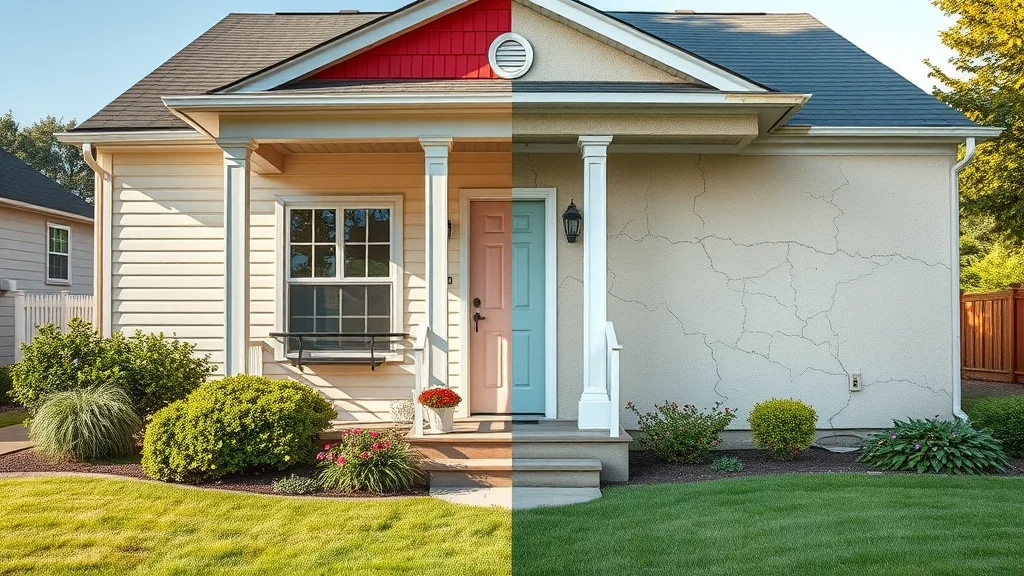
Bubbling or blistering paint is more than an eyesore; it's often a visible signal that something is happening beneath the surface that wasn’t fully addressed during preparation or application.
In many cases, bubbling occurs when moisture—either from within the home’s structure or from environmental exposure—gets trapped between the paint and the material underneath, slowly weakening the bond over time.
This connection between moisture and paint failure is widely recognized in building science. Joseph Lstiburek, founding principal of Building Science Corporation and a leading authority on moisture control and building durability, has consistently emphasized that water intrusion—whether from outside weather conditions or internal humidity—is one of the primary causes of material breakdown in residential construction.
Even relatively small amounts of trapped moisture can build up pressure beneath the paint, pushing against the surface from underneath and eventually leading to blistering, separation, or the paint losing its ability to stick properly.
In regions like the Sacramento Valley, extended exposure to heat, direct sunlight, and seasonal moisture can place ongoing stress on exterior coatings, even when the paint itself is high quality.
These conditions don’t always cause immediate damage, but they can gradually create the kind of environment where adhesion problems begin to develop. When paint is applied to a surface that hasn’t fully dried, or when conditions during application aren’t ideal, those issues may not show up right away.
Instead, they often appear months later, leaving homeowners confused about what went wrong. In many cases, the problem isn’t just the paint—it’s the combination of timing, moisture, and environmental exposure working together behind the scenes.
Beyond environmental moisture, oil and dirt can undermine a good paint job if not thoroughly removed ahead of time. Expert painters note that careful pressure washing and allowing adequate drying time are non-negotiable steps, especially in older homes where years of weathering may mean extra cleaning is required before any renovative work begins.
When bubbling is seen, it's not just a matter of cosmetic dissatisfaction; it's a signal to investigate deeper water issues and to be mindful of how prep and application timing intersect with local climate patterns.

How Sacramento’s Hot, Dry Summers Present Unique Paint Challenges
Does hot, dry weather make exterior paint fail faster? In climates defined by long stretches of heat and limited rainfall, exterior surfaces are exposed to a consistent type of stress that builds gradually rather than appearing all at once.
Prolonged sun exposure can cause paint to expand and contract repeatedly throughout the day, especially on darker surfaces that absorb more heat. Over time, this repeated movement can weaken the bond between the paint and the surface beneath it, increasing the likelihood of cracking, fading, or separation.
The role of sunlight in paint degradation is well understood in coatings research. Mark Nichols, who has studied the long-term effects of ultraviolet exposure on architectural coatings, has explained that UV radiation gradually breaks down the chemical structure of paint films.
Over time, this process can make the paint more brittle, cause the color to fade, and weaken how well it sticks to the surface, especially in areas where the sun hits the same surfaces day after day throughout the year.
What makes environments like Sacramento particularly demanding is not just the intensity of the heat, but how sustained that exposure can be over weeks and months.
Home exteriors that face direct sunlight for most of the day tend to show earlier signs of wear than shaded areas, often creating noticeable differences across the same home.
This uneven aging reinforces the idea that paint performance is closely tied to placement as much as it is to product or application.
How heat interacts with different materials helps explain why some areas hold up well while others begin to deteriorate more quickly under the same overall conditions.
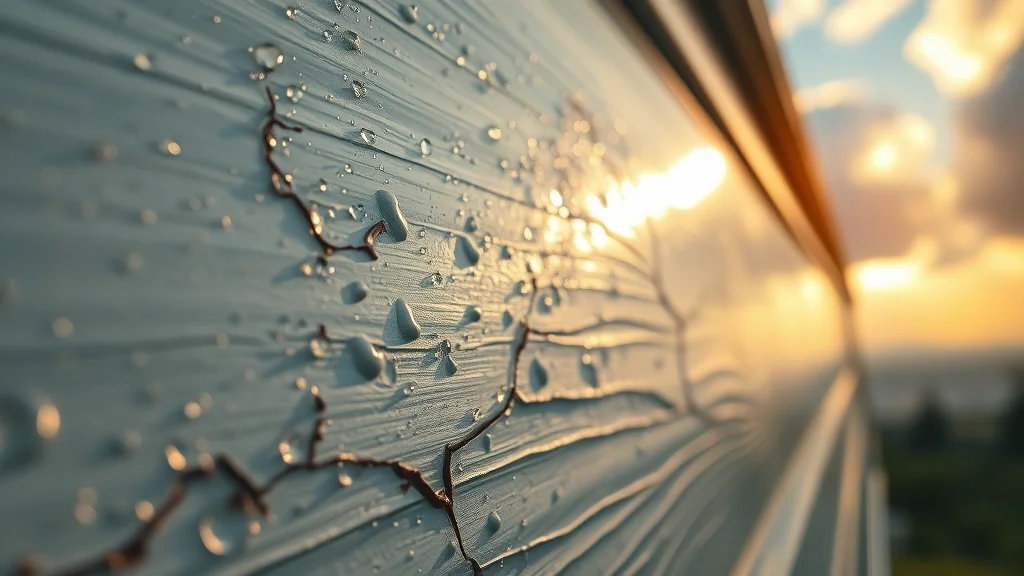
Cracks in the Armor: Why Exterior Paint Can Split and Fragment Too Soon
Cracking paint is often a progression from peeling and bubbling, but it has its own signature causes. Extremes in temperature, repeated cycles of wetting and drying, and the gradual aging of paint can all contribute.
Sometimes, cracks reveal themselves as thin, delicate lines spreading over a surface, other times as dramatic splits that signal deeper trouble with underlying wood or stucco.
The more severe versions of this cracking, often called “alligatoring” because of how the surface looks, usually happen when incompatible layers of paint are applied on top of each other or when the surface wasn’t properly prepared or primed beforehand.
While paint's main job is to act as a barrier, its success depends largely on what it’s bonding with. If the substrate below is aging wood, previously unsealed, or suffering from old dry rot, any paint—even the industry’s top performers—will struggle to stay intact over time.
Experienced painters are quick to address these vulnerabilities through repairs, sealing, and meticulous attention to base layers before adding color and finish. For homeowners, recognizing the early signs of cracking can be a chance to intervene before larger repairs are needed, saving cost and preserving value.
Telling the Difference: Age, Climate, and Craftsmanship in Paint Failure
A question that surfaces with each new patch of failing paint is whether the cause is simply age, long-term weather exposure, or issues tied to how the paint was originally applied.
In reality, each of these factors tends to leave its own set of clues, though they often overlap in ways that make the answer less obvious at first glance. Even a well-applied paint job will eventually begin to show signs of wear, especially on surfaces that receive constant sun exposure, shifting temperatures, or repeated contact with moisture throughout the year.
However, certain patterns—such as streaking, missed spots, uneven coverage, or inconsistent texture—can point more directly to problems during the original application process, including rushed prep work, insufficient coats, or lower-quality materials.
Comparing different areas of the home can also reveal useful insights. For example, surfaces that face the sun for most of the day often show faster deterioration than shaded areas, helping to highlight the role environmental stress plays over time.
Looking at these differences closely can help homeowners better understand whether the issue is natural aging or something that could have been prevented.
For homeowners trying to diagnose issues, observing patterns across different parts of a house, checking for uniformity, and noting whether issues align with sun, moisture, or previous repairs can lead to the right conclusions.
Professional assessment can bridge the gap between guesswork and clear answers, but learning these distinctions helps any homeowner become a better steward of their investment.

The Professional’s Approach: Insights from Sacramento’s Trusted Painters
The reasons behind exterior paint failure are closely tied to how a project is approached from the very beginning, long before any visible results take shape.
Many experienced painters emphasize that long-term durability depends less on the paint itself and more on the consistency of preparation, the suitability of materials, and an understanding of how different surfaces react to changing environmental conditions over time.
This typically includes detailed cleaning, careful inspection of the substrate, repairing damaged or weakened areas, and ensuring that each layer applied has the proper conditions to bond effectively.
These steps may take more time upfront, but they often reduce the likelihood of early failure and repeated maintenance later on.
In practice, this type of approach reflects what experienced local contractors see on a regular basis.
Teams like Jay’s Painting Service in Sacramento often point out that the success of a project is determined well before the final coat is applied, with surface condition, timing, and environmental awareness playing a larger role than many homeowners initially expect.
Rather than focusing only on the finished look, this perspective emphasizes how well the work will perform over time under real-world conditions.
In practice, achieving a longer-lasting finish involves more than simply applying multiple coats or choosing a premium product.
It requires attention to timing, awareness of temperature and moisture levels, and a willingness to address underlying issues rather than covering them up. When problems like trapped moisture, surface instability, or improper layering are ignored, they tend to resurface regardless of how good the paint looks initially.
By contrast, a methodical and detail-focused approach helps create a finish that holds up more consistently over time, reducing the cycle of repainting and helping homeowners maintain both the appearance and protection of their exterior surfaces.

When Quality Work Makes All the Difference: Real Experiences with Lasting Results
For homeowners choosing to invest in professional expertise, the difference shows not just in the paint's immediate beauty, but year after year as it resists Sacramento's intense seasons.
Consider the story shared by Julie M. , who experienced firsthand the value of deep preparation and skilled craftsmanship. Her review illustrates how commitment to quality translates into real-world relief and satisfaction:
This is a custom HTML / JavaScript Element
In order To See Your Custom HTML/JavaScript Code in Action You Must Click On The Preview Page Button, Your Code is NOT going to be active in the edit mode
John (aka Jay) is the guy you want! He and his crew of three take a lot of pride in their work, and they do things the RIGHT way. While his estimate came in the highest out of the 5 estimates I received, I went with him anyway. There are a couple reasons for this. Because my home had a lot of dry rot, I wanted a company that could both repair my home and paint it. He was one of the few who was fully capable of doing 99% of this work himself without contracting out. Another reason I chose John’s company is because John gave me an itemized estimate including cost of lumber, labor, paint, etc. As the work progressed and more dry rot was discovered, he easily communicated what this extra work would entail and how it would affect my quote if I chose to go ahead with the work. (I did.) Pricing is more than fair. All in all, John and his crew are great guys who are easy to work with and really seem to care about quality work. I confidently recommend him. - Julie M.
The consistency of such results—work done thoughtfully, with communication and thorough preparation—shows how addressing the root reasons behind paint failure leads to homes that stand up to time and weather. These stories remind homeowners that lasting value is found when every step, from prep to finish, is handled by those who know what’s truly required for resilience.
What Long-Lasting Exterior Paint Means for Homeowners in Sacramento
Understanding why exterior paint fails gives homeowners more than just an explanation—it provides a clearer way to evaluate what they’re seeing and how to respond over time.
Rather than viewing paint issues as isolated problems, recognizing the patterns behind them allows for more informed decisions about maintenance, timing, and long-term care.
In a place like Sacramento, where environmental exposure plays a consistent role, this awareness becomes especially valuable when assessing how different areas of a home will perform under changing conditions.
Instead of focusing only on how a home looks, a more practical approach considers how different surfaces handle stress, how exposure changes from one area of the home to another, and how small problems can turn into bigger ones if they aren’t dealt with early.
This shift—from reacting to visible damage to understanding underlying behavior—can help homeowners manage their exterior more effectively over time. With that perspective, maintaining a home’s exterior becomes less about repeated fixes and more about making informed decisions that support both durability and long-term performance.
Jay's Painting Service - Sacramento Painters continues to contribute thoughtful work and careful attention to every detail of exterior painting, helping set the standard for what homeowners can and should expect when seeking long-term results.
Contact the Experts at Jay's Painting Service - Sacramento Painters
If you’d like to learn more about how understanding why exterior paint fails could benefit your home in the Sacramento area, contact the team at Jay's Painting Service - Sacramento Painters.
📞 Phone: +1 916-541-0960
🌐 Website: http://jays-painting-service-sacramento.com/
Location and Hours for Jay's Painting Service - Sacramento Painters
🕒 Hours of Operation:
📅 Monday: 6:00 AM – 6:30 PM
📅 Tuesday: 6:00 AM – 6:30 PM
📅 Wednesday: 6:00 AM – 6:30 PM
📅 Thursday: 6:00 AM – 6:30 PM
📅 Friday: 6:00 AM – 6:30 PM
📅 Saturday: 6:00 AM – 6:30 PM
📅 Sunday: 6:00 AM – 6:30 PM
Ready to connect with home service professionals in your community? Visit Home Services, then discover additional trusted providers in the Lifestyle Directory.
---
Published by the Sacramento Living Well Editorial Team — a DSA Digital Media publication celebrating local expertise and dependable service.


Write A Comment