
A good pool service involves far more than skimming leaves or adding chlorine. Reliable pool maintenance usually includes regular water testing, equipment checks, filter care, and early problem detection—because many pool issues start long before the water actually looks dirty or unsafe.

American best pool services
📞 Phone: +1 916-821-2023
🌐 Website: http://www.americanbestpool.com/
This is a custom HTML / JavaScript Element
In order To See Your Custom HTML/JavaScript Code in Action You Must Click On The Preview Page Button, Your Code is NOT going to be active in the edit mode
This Is What’s Really Happening When a Pool Tech Visits Your Backyard
Is it just netting leaves and dumping in a scoop of chlorine, or is there a deeper science—and service ethic—behind a crystal-clear swim season?
This article examines what defines quality pool maintenance, demystifies the work done by reputable companies, and lays out what to expect when you partner with a caring professional for weekly or biweekly visits.
There’s a reason why pool ownership can vacillate between dream and headache—as straightforward as chlorine tablets or filter care may seem, the artful balance of chemistry, health, equipment, and reliability is often underestimated.
Understanding what a “good” pool service includes isn’t just about having blue water; it’s about peace of mind for every cannonball, pool party, and lazy afternoon float.
Weekly Versus Biweekly: Why Routine Makes a Difference for Your Pool’s Health
A clean, safe pool takes more than tossing in chlorine tablets or running the pump longer during the summer. A lot of what keeps pool water healthy happens behind the scenes through regular testing, cleaning, and equipment checks.
That’s why routine service—whether weekly or biweekly—matters so much. When a pool is checked consistently, it becomes easier to catch small problems like water imbalance, clogged filters, or worn-out equipment before they turn into expensive repairs or cloudy water that can sideline the entire pool.

The Centers for Disease Control and Prevention (CDC) has consistently emphasized that proper pool chemistry and circulation play a critical role in preventing recreational water illnesses and maintaining swimmer safety.
Even small shifts in disinfectant levels or pH balance can reduce the effectiveness of sanitation if left unchecked for extended periods. That’s one reason many pool professionals place such heavy importance on consistent monitoring rather than waiting until visible problems appear.
Those who choose biweekly service are often looking for a lower-cost maintenance option, and in some situations, it can work well—especially for pools with modern automation systems, lower usage, or homeowners who stay involved between visits.
However, pools exposed to heavy debris, frequent swimming, extreme heat, or changing weather conditions may experience water clarity issues or minor equipment problems more quickly if service intervals are stretched too far apart.
The difference largely comes down to how often a trained professional has the opportunity to monitor changes in water chemistry, filtration performance, and overall pool condition.
Weekly service generally allows for more consistent oversight, while biweekly service often requires homeowners to pay closer attention between appointments. Without regular monitoring, smaller issues can sometimes develop into more expensive repairs or cleanup problems over time.
The Anatomy of a Thorough Pool Service Visit
Every pool service visit involves a series of small, but important tasks that help keep the water clean, the equipment running properly, and larger problems from developing over time.
Most homeowners notice the visible work first—things like skimming leaves, vacuuming the pool floor, brushing the walls, and emptying baskets. But a large part of the job happens behind the scenes. Technicians also test the water, adjust chemical levels, check circulation and filtration performance, and inspect equipment for early signs of wear, leaks, or mechanical problems that could become expensive if ignored for too long.
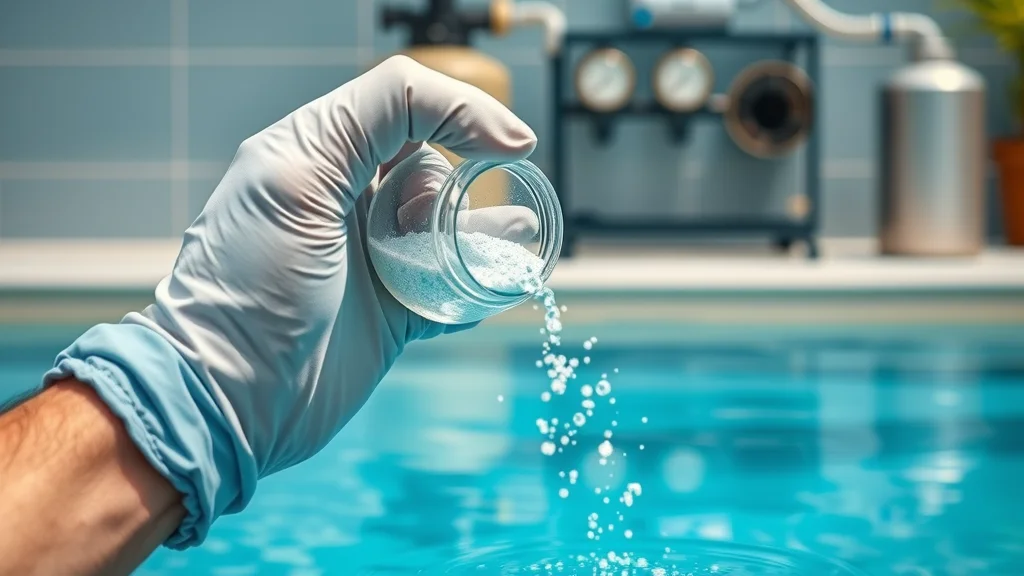
Many homeowners assume pool care mainly involves adding chlorine whenever the water starts looking off, but proper water balancing is much more detailed than that. Hot weather, heavy pool use, rain, wind, sunscreen, dirt, and even leaves blowing into the water can all affect pool chemistry.
A technician has to regularly test and adjust the water to help keep it clear, comfortable to swim in, and properly sanitized.
Thorough service also includes cleaning or monitoring filters, checking pump performance, and catching warning signs—like cloudy water, algae growth, or weak circulation—before they turn into larger and more expensive problems.
According to Rudy Stankowitz, a nationally recognized pool and spa chemistry educator, author, and former instructor for the Pool & Hot Tub Alliance, one of the biggest misconceptions homeowners have is assuming clear water automatically means safe water.
In educational interviews and industry training discussions, Stankowitz has explained that pools can appear visually clean while still carrying hidden chemistry imbalances that affect sanitation, swimmer comfort, and equipment longevity.
His work has helped educate both technicians and homeowners on why routine testing and preventative maintenance matter far beyond appearance alone.
That distinction also changes how many homeowners view professional pool care altogether. What appears to be a simple maintenance visit often involves ongoing evaluation, adjustment, and decision-making designed to keep the entire system functioning properly over time.
Some pool companies also provide extended scheduling flexibility or emergency support when unexpected issues arise, while helping homeowners better understand the maintenance process and why certain treatments or adjustments are needed.
Homeowners may still need to remove heavy debris after storms or maintain water levels between visits, but most technical maintenance and preventative care is typically handled by the service professional.
Understanding What’s Included and What Isn’t with Pool Chemicals and Upgrades
One area that surprises many pool owners is what’s “included” with regular maintenance, particularly regarding chemicals. Some service plans bundle basic chemicals—chlorine, stabilizers, pH adjusters—into the standard fee, while others bill separately depending on dosage needs, pool size, or unique conditions.
It can be a source of confusion or frustration if expectations aren’t clear upfront. Proactive companies clarify this on day one, taking time to walk clients through what’s covered, from routine chemicals to when more specialized treatments, like algaecides or stain removers, might become necessary.
Equipment care represents another important aspect of long-term pool ownership. While upgrades like variable-speed pumps or robotic cleaners are usually separate from routine maintenance plans, experienced technicians often help homeowners understand when older equipment is becoming inefficient or costly to operate.
In many cases, these conversations are less about selling upgrades and more about helping homeowners avoid rising energy costs, recurring repairs, or preventable wear on aging systems.

What Homeowners Should—and Shouldn’t—Worry About Between Visits
Even with regular professional help, pool ownership still carries some daily and weekly responsibilities. On windy days, even the most diligent technician can’t prevent a storm of leaves or pollen from blanketing the water after they’ve left.
Homeowners may be asked to empty the skimmer basket, top off the water, or ensure large debris doesn’t clog up the filtration system before the next scheduled service.
For the more technical side of pool care—things like balancing chemicals correctly, monitoring equipment performance, and keeping the filtration system working efficiently—professionals usually handle the heavier responsibilities.
That allows homeowners to spend less time troubleshooting pool problems themselves and more time actually enjoying the pool.
When both the homeowner and the service company understand their roles between visits, there’s usually less confusion, fewer unexpected issues, and a smoother overall experience throughout the swimming season.
Indicators of Quality: How to Tell If Your Pool Service Is Doing the Job
Many homeowners honestly don’t know what separates a good pool service from a bad one. If the water looks blue, it can be difficult to tell whether the pool is actually being maintained properly or if problems are slowly building underneath the surface.
One of the biggest signs of quality service is communication. Reliable technicians typically explain what they’re seeing, point out potential concerns before they become serious, and help homeowners understand how the pool is performing overall rather than simply showing up, adding chemicals, and leaving.

Reliability is often one of the clearest indicators of quality service, along with a technician’s willingness to answer questions and explain maintenance issues in plain language.
Many homeowners appreciate when pool care feels collaborative rather than rushed or transactional, especially when technicians communicate openly about potential concerns before they become larger problems.
While no pool is completely free from occasional issues—particularly during heavy heat, storms, or periods of high use—consistent maintenance and clear communication can significantly reduce recurring problems and help pools remain safer, cleaner, and easier to manage over time.
Pool maintenance expert Terry Arko, who has spent decades working in pool industry education and technical training, has often pointed out that many costly pool issues develop gradually rather than all at once.
In training discussions and educational materials, Arko has emphasized that changes in circulation, filtration performance, or chemical balance can slowly strain a pool system long before homeowners notice obvious warning signs.
His perspective helps explain why experienced technicians focus so heavily on tracking patterns and monitoring long-term pool performance rather than only responding to visible problems.
For homeowners, that means the true value of a quality pool service often shows up quietly over time—in fewer recurring issues, steadier water clarity, and fewer sudden surprises during the hottest parts of the swimming season.
Why Many Homeowners Find Professional Pool Service to Be Worth the Investment
Hiring a professional pool service often comes down to more than just saving time on chores. For many, the decision is about handing over anxiety about water chemistry, equipment malfunctions, or surprise algae attacks to an expert who’s seen—and fixed—it all before.
A skilled technician’s preventative eye and consistent routine can mean fewer days lost to murky water and more focus on enjoying the space that a backyard pool promises.
For many homeowners, professional pool service ultimately becomes less about convenience alone and more about reducing the mental workload that comes with pool ownership.
Instead of constantly testing water, troubleshooting equipment behavior, or reacting to sudden algae problems, homeowners are able to spend more time actually using the pool.
Over time, that shift can make backyard spaces feel less like ongoing maintenance projects and more like places meant for relaxation and recreation.
An Industry View: The Empathetic, Family-Minded Approach in Modern Pool Care
Within the pool service industry, there’s growing recognition that strong customer relationships are often built through communication and reliability just as much as technical skill.
American Best Pool Services, for example, appears to place significant emphasis on helping homeowners understand what’s happening with their pools rather than simply completing a checklist of tasks.
Based on customer experiences and service feedback, the company’s approach centers around clear explanations, practical guidance, and helping clients make informed decisions about maintenance and equipment upgrades instead of pushing unnecessary services.
That type of communication can make a major difference for homeowners who may not fully understand pool systems or water chemistry themselves.
Rather than feeling pressured or left in the dark, many customers simply want straightforward explanations about what’s needed, what can wait, and how to avoid larger problems down the road.
This approach becomes especially valuable when homeowners run into equipment problems or water issues they don’t fully understand themselves.
Instead of simply fixing something and leaving, many customers appreciate technicians who take the time to explain what happened, what may have caused the issue, and what can be done to help prevent the same problem from happening again.
Over time, that kind of communication and consistency often becomes one of the biggest reasons homeowners stay loyal to a service company for years.
Homeowner Confidence in Action: What Satisfied Clients Share
Many homeowners searching for trustworthy pool service want more than just skill—they seek someone who makes the relationship feel easy, honest, and reassuring from the first visit.
This sentiment stands out in customer reflections, validating that real peace of mind often comes from clear, consistent communication and a willingness to go the extra mile.
One client’s account offers a window into what successful service, built on reliability, trust, and genuine care, looks like in practice:
This is a custom HTML / JavaScript Element
In order To See Your Custom HTML/JavaScript Code in Action You Must Click On The Preview Page Button, Your Code is NOT going to be active in the edit mode
Varinder (V) from American best pool service is a very professional, honest, family oriented person, he was able to guide me on how to upgrade my pool pump with reasonable price, and he also installed it himself, in a timely manner. I had his service for about 4 years until my house recently got sold. I had a wonderful experience with him I will %100 recommend his service. - Claudia M.
Stories like these reflect how expertise combined with clarity and a personal touch often makes the biggest impression. For many, the result of dependable service isn’t just clean water, but lasting confidence—a feeling that, when the pool is in someone else’s hands, everything will be alright for another season of family fun.
What Today’s Pool Service Standards Mean for Hassle-Free Home Leisure
Understanding modern pool service involves more than looking at a checklist of weekly tasks. For many homeowners, consistent maintenance changes how usable and dependable a backyard pool actually feels throughout the season.
When a pool is maintained consistently, homeowners are less likely to deal with situations like green water before a weekend gathering, equipment breaking down during extreme heat, or spending hours trying to fix chemical problems on their own.
Instead of constantly reacting to problems, the pool simply becomes easier to enjoy throughout the swimming season.
Many highly rated pool service providers today place increasing emphasis not only on technical maintenance, but also on communication, reliability, and helping homeowners better understand the condition of their pools.
Companies such as American Best Pool Services reflect this broader service approach by combining routine maintenance with ongoing client communication and practical guidance when equipment or water quality concerns arise.
For homeowners, this type of service can help reduce uncertainty and make pool ownership feel more manageable throughout the swimming season.
Contact the Experts at American Best Pool Services
If you’d like to learn more about how professional pool service could benefit your backyard, contact the team at American Best Pool Services.
📞 Phone: +1 916-821-2023
🌐 Website: http://www.americanbestpool.com/
American Best Pool Services Location and Availability
📞 Phone: +1 916-821-2023
🕒 Hours of Operation:
📅 Monday: Open 24 hours
📅 Tuesday: Open 24 hours
📅 Wednesday: Open 24 hours
📅 Thursday: Open 24 hours
📅 Friday: Open 24 hours
📅 Saturday: Open 24 hours
📅 Sunday: ❌ Closed
Find trusted home service providers—from maintenance and repairs to sustainable upgrades—inside Home Services, or explore more local professionals in the Lifestyle Directory.
---
Prepared by the Sacramento Living Well Editorial Team — published by DSA Digital Media, supporting informed choices for homes and households across Greater Sacramento.


Write A Comment