
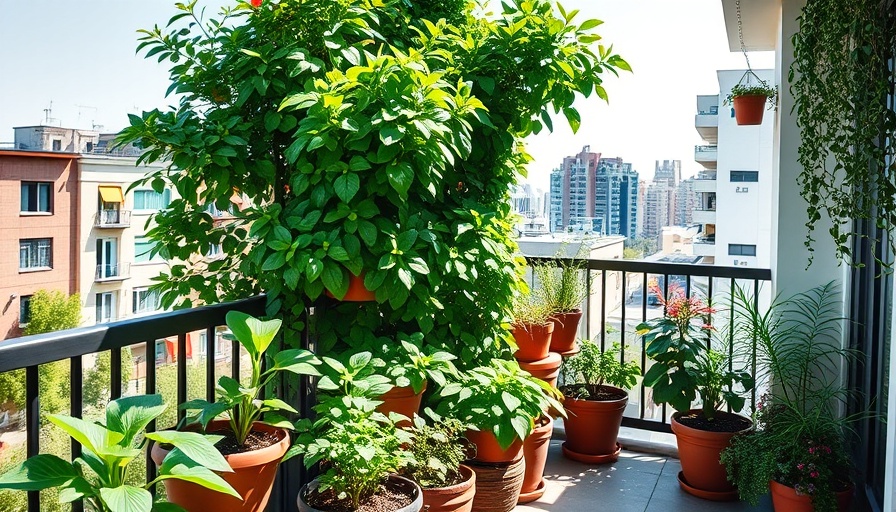
Small gardens can produce more food than most people expect when the space is used thoughtfully. Many assume you need a large backyard to grow vegetables successfully, but smart design choices like vertical growing and intensive planting often matter more than square footage. In tight spaces, structure and layout—not size—determine how much you can harvest.
Lessons Learned After a Decade of Gardening in Sacramento
There’s a certain kind of wisdom that only shows up after years of dirt under your fingernails, tomatoes that thrived beyond expectation, and squash vines that quietly swallowed pathways while you weren’t looking.
Gardening doesn’t teach quickly. It teaches slowly — season by season — often through frustration first and confidence later. You don’t realize how much you’ve learned until you look back and see how differently you move through your garden compared to that first uncertain spring.
Over the past decade, Beth and Lucas’s gardening journey has mirrored what so many Sacramento residents experience when they decide to grow food here.
They didn’t begin with polished raised beds or a perfected irrigation system. They started small — a tomato plant and a pepper plant on a balcony — and let experience build from there.
Sacramento gardening is generous, but it is not gentle. Summers are intense. Spring can mislead you. Clay-heavy soil challenges even motivated beginners. And yet, when you begin working with this climate instead of resisting it, something shifts.
Gardening in Sacramento isn’t about controlling the environment. It’s about learning its rhythm.
In Maximize Your Small Garden: Top 5 Space-Saving Techniques, the discussion dives into practical ideas for small gardens, exploring key insights that sparked deeper analysis on our end.
When Small Starts Lead to Big Confidence
Most gardeners don’t begin because they feel qualified. They begin because they’re curious. That first container, that first raised bed, that first attempt at seed starting — it’s less about yield and more about observation.
In Sacramento, even a single tomato plant can teach you:
How quickly soil dries out during a 100° week
How afternoon sun differs from morning sun
How wind exposure affects young transplants
How heat radiates off fences and stucco walls
These small experiments become micro-lessons in climate adaptation. Over time, those lessons compound.
You begin to anticipate rather than react.
The “Janky” Garden That Proved a Point
At one point in their journey, Beth and Lucas grew peppers in five-gallon buckets placed on top of a garage roof. It wasn’t polished. It wasn’t curated. It likely confused a few neighbors. But it worked.
The lesson was simple and freeing:
Productivity doesn’t require perfection — it requires light, drainage, and consistency.
In Sacramento’s high-sun environment, even unconventional growing setups can thrive if those fundamentals are present.
If your garden feels imperfect, that’s not a flaw. It’s often the beginning of creativity.

Sacramento’s Climate: What It Demands From Gardeners
California edible landscaping pioneer Rosalind Creasy has long emphasized that climate-responsive gardening leads to resilience. In Sacramento’s Mediterranean pattern — cool winters, hot dry summers — timing becomes everything.
Here’s how that reality plays out locally:
Sacramento Condition |
What It Means for Gardeners |
Smart Adjustment |
|---|---|---|
Cold spring mornings |
Slow tomato growth |
Wait for consistent nighttime temps above 50°F |
Sudden early heat waves |
Transplant shock |
Harden off seedlings gradually |
Clay-heavy soil |
Poor drainage |
Use raised beds or amend heavily with compost |
Long dry summers |
Rapid moisture loss |
Install drip irrigation |
Intense afternoon sun |
Leaf scorch |
Use shade cloth during peak heat |
This is not a forgiving climate for rigid plans. It rewards flexibility.
Compost: The Invisible Engine of a Strong Garden
Soil microbiologist Dr. Elaine Ingham’s research centers on one core principle: healthy soil is alive. Compost feeds beneficial microorganisms, which in turn make nutrients more available to plants.
In Sacramento, compost offers specific advantages:
Improves water retention during drought
Reduces compaction in clay soil
Buffers plant roots against extreme heat
Decreases dependence on synthetic fertilizers
Over time, soil amended consistently with compost becomes easier to manage. It drains better in winter and holds moisture longer in summer. The transformation is gradual but profound.
The best Sacramento gardens aren’t built in one season — they’re built layer by layer, year by year.
Growing Vertically: Strategy, Not Style
Urban agriculture research shows that vertical systems increase efficiency and change how gardeners interact with plants. In Sacramento’s intense summer climate, vertical growing does more than save space — it improves airflow and reduces overcrowding.
Benefits of vertical systems in hot climates include:
Better air circulation
Reduced fungal disease risk
Easier harvesting
Fruit kept off hot soil surfaces
More productive square footage
When squash and tomatoes climb instead of sprawl, the entire garden feels more manageable. Instead of fighting space limitations, you expand upward.
When Gardens Become Community Connectors
Landscape ecologist Dr. Doug Tallamy has written about how visible landscapes reshape cultural norms. Front-yard gardens in Sacramento don’t just produce food — they shift expectations.
Neighbors notice.
They ask questions.
They share recipes.
They accept extra zucchini.
Over time, a garden becomes a social touchpoint.
A productive front yard doesn’t just grow food. It grows conversations.
In a walkable Sacramento neighborhood, that visibility matters.

The Seasons That Didn’t Go Smoothly
Not every year brought abundance. Some seasons were disrupted by life changes. Others by weather shifts — cold springs, early heat waves, inconsistent rainfall.
Permaculture educator Toby Hemenway emphasized that observation is the gardener’s most powerful tool. Before reacting, watch. Before replanting, assess. Before blaming the plant, examine the environment.
In Sacramento, adaptation beats stubbornness.
Every difficult season teaches:
New timing windows
Better irrigation adjustments
Stronger variety selection
Improved soil management
Failure isn’t permanent here. It’s instructional.
From Effort to Rhythm
In the early years, gardening required constant labor — hauling compost, building beds, troubleshooting irrigation. Over time, those systems stabilized.
Drip irrigation replaced hand watering. Soil improved annually. Beds became predictable.
The garden shifted from hustle to rhythm.
That shift is the long-term reward.
A well-designed Sacramento garden eventually becomes:
Lower maintenance
More resilient to heat
More productive per square foot
More emotionally restorative
It begins to work with you instead of demanding from you.
The Front Yard Shift
Replacing turf with raised beds in Sacramento isn’t just a design choice — it’s climate-smart. Front yards often receive the strongest sun exposure. Grass demands water. Vegetables produce food.
The transformation carries both environmental and cultural weight.Tomatoes instead of lawn.
Trellises instead of sprinklers.
Harvest instead of mowing.
It’s practical. It’s visible. It subtly reframes what a suburban yard can be.

Ten Years Later: The Core Lessons
After a decade of experimentation, adjustments, and unexpected abundance, the most important takeaways are surprisingly simple:
Start small.
Build soil first.
Install drip irrigation early.
Respect Sacramento’s heat.
Grow vertically when possible.
Share what you harvest.
Expect surprises.
Keep planting.
Gardening here isn’t about mastering perfection. It’s about staying engaged with the process.
Season by season, Sacramento gardeners don’t just grow food. They grow resilience, adaptability, and connection.
And that’s what lasts.
Continue discovering environmentally mindful habits, green solutions, and local sustainability stories in Eco Living, or browse broader wellness and lifestyle content on Sacramento Living Well.
---
Brought to you by the Sacramento Living Well Editorial Team — a DSA Digital Media publication focused on sustainable living and local impact.


Write A Comment