
Specialty neighborhood markets still matter because they offer personal service, local food knowledge, and products that many larger grocery stores don't. While some people see them as old-fashioned or less convenient, they continue to play an important role in Sacramento's food culture by connecting shoppers with local foods, trusted advice, and the community around them.

Taylor’s Market
📍 Address: 2900 Freeport Blvd, Sacramento, CA 95818, USA
📞 Phone: +1 916-443-6881
🌐 Website: http://taylorsmarket.com/
This is a custom HTML / JavaScript Element
In order To See Your Custom HTML/JavaScript Code in Action You Must Click On The Preview Page Button, Your Code is NOT going to be active in the edit mode
The Quiet Cornerstone of Sacramento’s Food Scene
Walk through almost any Sacramento neighborhood, and you'll find more than homes, restaurants, and stores. You'll also find small neighborhood markets that have been part of daily life for many years.
While they may not get as much attention as large grocery chains or popular farm-to-fork restaurants, these markets continue to play an important role by bringing people together, supporting local food producers, and offering a more personal shopping experience.
For many residents, they're more than just a place to buy groceries—they're part of what makes their neighborhood feel familiar and connected.
Today, buying food is often about speed and convenience. Many people order groceries with an app or shop at large stores that carry nearly the same products no matter where they're located.
Specialty neighborhood markets offer something different. Instead of focusing only on efficiency, they emphasize personal service, carefully selected products, and relationships with local farmers and food makers. In other words, they give shoppers a chance to know more about the food they're buying and the people behind it.
Looking at the role these markets play helps explain why they continue to be an important part of Sacramento's food culture, even as shopping habits continue to change.

Beyond the Grocery List: Why Specialty Neighborhood Markets Endure in Changing Times
Specialty neighborhood markets have grown into much more than small grocery stores. Over the years, many have become gathering places where people can buy high-quality food, ask questions, and learn from people who know the products they sell.
Instead of trying to carry thousands of items like a large supermarket, these markets often focus on carefully choosing meats, cheeses, fresh produce, and specialty foods that reflect the farms, cultures, and food traditions found throughout the Sacramento region.
Many have built strong relationships with local farmers and food makers over many years, helping them offer products that shoppers may not find in larger chain stores.
That careful approach is about more than keeping old traditions alive. Many shoppers today want to know where their food comes from, who produced it, and why one product might be better suited for a recipe than another.
Specialty neighborhood markets help answer those questions through personal service and knowledgeable staff who take time to explain products and offer practical suggestions.
Whether someone is searching for a hard-to-find ingredient or simply wants advice on preparing dinner, these markets provide a level of guidance that can be difficult to find elsewhere.
Sacramento's restaurant scene may receive much of the attention, but neighborhood markets continue to play an important role by helping people discover local foods, build confidence in the kitchen, and stay connected to the community around them.

Bestselling author Michael Pollan has spent much of his career helping people better understand the food they eat.
His books, including The Omnivore's Dilemma and In Defense of Food, along with his award-winning work recognized by the James Beard Foundation, have encouraged people to learn where their food comes from and who produces it.
Pollan has often explained that when shoppers understand the people, farms, and businesses behind their food, they're more likely to make informed choices and appreciate the value of local food.
That idea helps explain why many people continue to choose specialty neighborhood markets, where learning about products and the people behind them is often part of the shopping experience.
How Sacramento’s Specialty Markets Serve Up Freshness, Service, and Culinary Discovery
One of the things that sets Sacramento's specialty neighborhood markets apart is the chance to talk with people who work with food every day.
At places like Taylor's Market, staff are available to answer questions, explain different products, and help shoppers understand how to prepare them.
That's not unique to one business—it's something many specialty neighborhood markets are known for. Instead of simply pointing someone toward an aisle, staff may help explain which cut of meat works best for a slow-cooked roast, how two similar cheeses are different, or which fresh ingredients are in season.
That kind of one-on-one guidance helps shoppers feel more comfortable trying something new and better prepared to cook with unfamiliar ingredients at home.
For many people, that advice is just as valuable as the food they buy.
Specialty neighborhood markets often introduce shoppers to ingredients they've never used before, explain when certain fruits and vegetables are at their best, and offer simple cooking tips that make preparing meals easier.
Rather than choosing products based only on price, shoppers can learn how different ingredients affect the flavor and texture of a meal and which choices work best for what they're making.
Over time, those everyday conversations help people become better home cooks while giving them a greater appreciation for the local foods, cooking traditions, and food culture that make Sacramento unique.
From Farm to Neighborhood: The Role of Local Relationships in Sourcing Food
The products on the shelves of a specialty neighborhood market usually don't get there by accident. Many of these markets have worked with the same local farmers, ranchers, cheesemakers, and other food producers for years, sometimes even for generations.
Those long-standing relationships help them choose fresh, high-quality products that reflect what's being grown and produced in the Sacramento region instead of simply filling shelves with the same items found in large chain stores.
Because specialty markets are usually smaller, they can often adjust more quickly when customers ask for something different or when seasonal foods become available.
For example, if a local farm has an especially good peach harvest or a nearby producer introduces a new artisan cheese, a specialty market may be able to offer it much sooner than a large grocery chain.
Shoppers also benefit from butchers and staff members who often know more about where products come from and can answer questions about how they're raised, produced, or prepared.
That gives customers a better understanding of the food they're bringing home and the people who helped produce it.
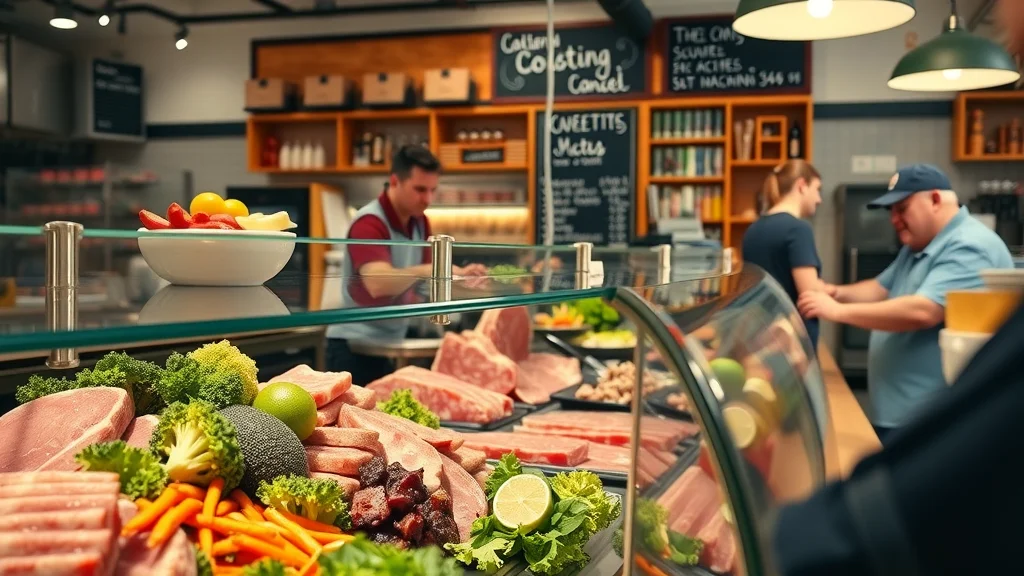
Those long-standing relationships also allow specialty neighborhood markets to change with the seasons much more easily than many larger grocery stores.
When local fruits, vegetables, cheeses, or specialty foods become available, these markets can often introduce them quickly instead of waiting for large distribution schedules.
For shoppers, that means every visit has the potential to offer something different while creating a stronger connection to the farms and food producers that help define Northern California's rich agricultural heritage.
Culinary Education and Community: Workshops, Classes, and Event Culture
Many specialty neighborhood markets have become more than places to buy food. They also give people a chance to learn new cooking skills, discover different ingredients, and gain confidence in the kitchen.
Events like Taylor's Market's Butchering 101 class show how these markets can bring people together through hands-on learning.
Whether it's learning about different cuts of meat, watching a cooking demonstration, or taking a class that features seasonal recipes, these events help people better understand where their food comes from and how to prepare it at home.
These classes and demonstrations make cooking feel less intimidating, even for people trying something new for the first time. Instead of keeping cooking knowledge behind the scenes, specialty markets share it with everyday shoppers in a way that's easy to understand and put into practice.
Parents can pass new skills on to their children, friends can cook together with more confidence, and longtime family recipes can continue from one generation to the next.
In that way, neighborhood markets do more than sell food—they help keep Sacramento's cooking traditions alive while inspiring people to enjoy fresh, local ingredients in new ways.

Preserving Tradition Amid Change: Stability in a Blurring Food Landscape
While specialty neighborhood markets continue to serve an important role, they also face challenges that didn't exist a generation ago.
Competition from national grocery chains, online ordering, meal delivery services, and changing shopping habits has made it harder for many independent markets to compete on convenience alone.
Rather than trying to match larger retailers, many have focused on the strengths that set them apart—knowledgeable staff, carefully selected products, and long-standing relationships within the community.
That balance between tradition and adaptation helps explain why many specialty markets continue to thrive.
By combining modern conveniences with personal service and local expertise, they remain relevant to longtime customers while continuing to attract new generations of shoppers who value a more connected food-buying experience.
Why Specialty Markets Introduce Shoppers to Foods They Might Never Discover Otherwise
One of the best things about shopping at a specialty neighborhood market is that it often introduces people to foods they might never have tried otherwise.
Unlike many large grocery stores that carry mostly the same products year-round, specialty markets can offer seasonal fruits and vegetables, locally made foods, small-batch products, and unique ingredients that aren't always easy to find.
A simple trip to buy dinner can turn into a chance to discover a new favorite cheese, a different cut of meat, or an ingredient that inspires someone to try a new recipe at home.
Those small discoveries often lead to bigger changes over time. Someone who visits for one familiar item may leave with a recommendation for a local cheese, a different cut of meat, or a new ingredient they decide to experiment with at home.
As people try new foods and ingredients over time, they often become more adventurous home cooks while gaining a greater appreciation for the many food traditions found throughout the Sacramento region.
In that way, specialty neighborhood markets become more than places to shop—they become places where curiosity grows, cooking skills improve, and people discover new ways to enjoy local food.
The idea of discovering new foods and learning about where they come from has been encouraged by many respected voices in the food world.
For more than 50 years, Alice Waters has encouraged people to take a closer look at where their food comes from. As the founder of Chez Panisse, a leader of the farm-to-table movement, and a recipient of the National Humanities Medal, she has spent her career showing that learning about local foods and the people who produce them helps make cooking more meaningful.
That idea fits naturally with what many specialty neighborhood markets do every day by helping shoppers discover new ingredients, learn about local food producers, and try foods they may not have experienced before.
When Thoughtful Food Meets Daily Life: A Neighborhood Market Experience Told by Locals
The value of specialty neighborhood markets becomes even clearer through the experiences of the people who shop there. Customer stories help illustrate how knowledgeable service, quality products, and personal relationships come together in everyday shopping, bringing many of the ideas discussed throughout this article to life.
This is a custom HTML / JavaScript Element
In order To See Your Custom HTML/JavaScript Code in Action You Must Click On The Preview Page Button, Your Code is NOT going to be active in the edit mode
I purchased a prepared fillet dinner with potatoes & Green beans. The green beans were prepared perfect, a nice crunch and tadte of fresh. The Fillet was a generous portion, sliced perfectly. The roasted potatoes were good and the slice of Cheesecake topped off my solo dinner with a price that didnt break the bank! I would recommend to anyone who’s not a fan of cooking! - Cindy C.
For many Sacramento families, specialty neighborhood markets become part of life's routines in ways that are easy to overlook.
Holiday meals, favorite family recipes, and new traditions often begin with a simple visit to a trusted neighborhood market.
Those everyday experiences remind us that food isn't only about what we eat—it's also about the people, places, and memories that bring communities together.
What Sacramento’s Family-Owned Markets Signal for Tomorrow’s Food Culture
The way people shop for food will continue to change, but the reasons many people visit specialty neighborhood markets remain much the same.
Many shoppers continue choosing these markets because they value fresh foods, knowledgeable advice, and the opportunity to ask questions before deciding what to bring home.
Even as online ordering, grocery delivery, and large chain stores become more common, many shoppers still appreciate being able to ask questions, discover new foods, and build relationships with the people who help them choose what to bring home.
That's why specialty neighborhood markets continue to play an important role in Sacramento. They do more than sell groceries—they help connect people with local farms, regional food producers, and the traditions that have shaped the region for generations.
Taylor's Market is one example of how a neighborhood market can support those larger goals, but the same values can be found in many specialty markets throughout the Sacramento area.
As long as people continue looking for quality food, personal service, and a stronger connection to their community, these neighborhood markets are likely to remain an important part of Sacramento's food culture.
Location and Availability of Taylor’s Market
🕒 Hours of Operation:📅 Monday: 9:00 AM – 7:00 PM📅 Tuesday: 9:00 AM – 7:00 PM📅 Wednesday: 9:00 AM – 7:00 PM📅 Thursday: 9:00 AM – 7:00 PM📅 Friday: 9:00 AM – 7:00 PM📅 Saturday: 9:00 AM – 7:00 PM📅 Sunday: 9:00 AM – 6:00 PM
Explore curated profiles of Sacramento-area boutiques, artisan shops, and specialty markets inside Local Shops & Markets, or find additional community-focused businesses in the Lifestyle Directory.
---
Brought to you by the Sacramento Living Well Editorial Team — a DSA Digital Media publication focused on community connection and everyday living.


Write A Comment