
Reusable ice cubes are a modest but real way to reduce drink dilution and slightly cut down on repeated ice-making, though they are not a major environmental solution. Many people assume they dramatically lower energy or water use, but their biggest benefit is preserving flavor while offering a small, habit-level sustainability shift. They improve convenience and reduce repetition, not your overall carbon footprint.
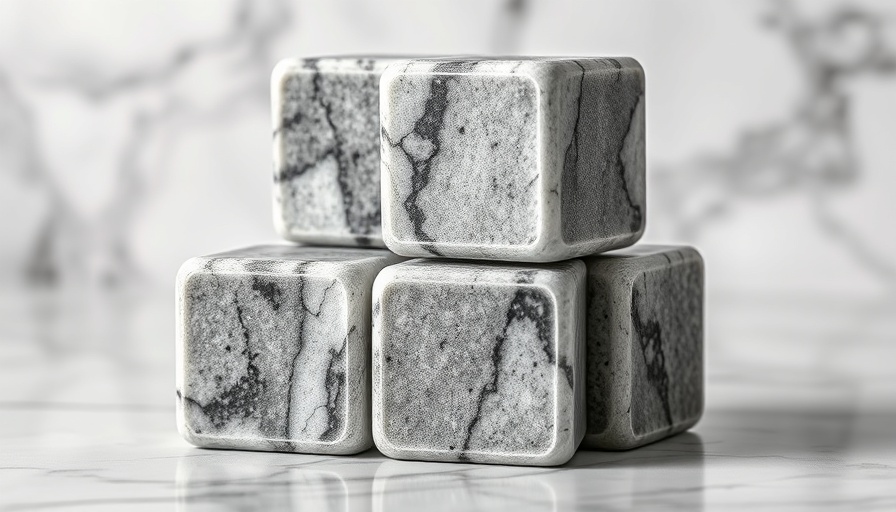
Reusable Ice Cubes: A Smart Swap — or Just a Stylish Trend?
It’s one of those small, everyday rituals. You pour a drink, reach for ice, and watch the cubes crack and shift in the glass. Ten minutes later, your drink is colder — but also weaker. If you’ve ever wished your beverage would stay cold without turning watery, you’re not alone.
That frustration is what sparked the rise of reusable ice cubes — sleek little stones or steel cubes that promise chill without dilution. But beyond convenience, many brands also position them as a more sustainable choice.
So are reusable ice cubes truly better for the planet? Or are they simply a clever upgrade for certain drinks?
Let’s take a closer look — calmly, clearly, and without exaggeration.
Why We Started Looking for an Alternative in the First Place
Traditional ice is simple. It’s just frozen water. But it does come with a rhythm: fill trays, freeze again, empty, repeat. If you use a refrigerator ice maker, the appliance works continuously to keep ice ready.
Now, to be clear — ice production is not one of the biggest energy drains in your home. Refrigerators already run around the clock, and the energy required to freeze small amounts of water is modest compared to heating, air conditioning, or laundry.
Still, repeated freezing cycles do require electricity. And melted ice is treated water that ultimately goes down the drain.
Reusable cubes aim to interrupt that repetition.
Instead of freezing water again and again, you freeze the cube once, use it many times, and reduce the need to make fresh ice for certain occasions.
The environmental benefit is incremental — not dramatic — but it exists.

How Reusable Ice Cubes Actually Work
Reusable ice cubes rely on basic physics. When something cold touches something warmer, heat moves from the warmer object to the colder one. That transfer cools your drink.
Different types work slightly differently:
Stainless steel cubes often contain a sealed cooling gel inside.
Stone cubes (like soapstone or granite) naturally hold low temperatures because of their density.
Plastic or gel-filled cubes use frozen interiors to absorb heat.
None of them melt, which means they won’t dilute your beverage. But they also don’t last as long as a full glass of traditional ice.
They cool quickly. They just don’t cool forever.
The Dilution Debate: Why It Matters More Than You Think
If you’re sipping whiskey neat, enjoying a carefully crafted cocktail, or pouring wine that’s meant to taste a certain way, dilution can noticeably change the experience.
Wine educator and author Karen MacNeil has long explained how temperature affects aroma and flavor perception. As beverages warm or become diluted, their balance shifts.
Reusable cubes offer control. They cool without adding water, allowing flavors to remain closer to their intended profile.
For spirits especially, that’s a real benefit.
Are They Truly “Eco-Friendly”?
Here’s where we need nuance.
Environmental scientist Dr. Diana Ürge-Vorsatz, Vice Chair of the Intergovernmental Panel on Climate Change, has emphasized in public talks and research that small household efficiencies add up only when multiplied across millions of people.
That idea applies here.
Using reusable cubes:
Reduces repeated freeze cycles.
May slightly reduce household water use.
Lowers the need for plastic ice bags (for those who buy them).
But it does not dramatically change your carbon footprint.
The overall environmental impact depends on:
How often you use ice
Whether you rely on bagged ice
The material and lifespan of the reusable cubes
How long you keep and use them
This is a modest sustainability shift — not a climate solution.
And that’s okay.
Not every eco-friendly habit needs to be revolutionary to be worthwhile.

What About Jelly Ice and Biodegradable Options?
Some emerging products use sponge-like or gel-based materials designed to be biodegradable. These aim to offer cooling without plastic waste at the end of their lifespan.
However, these products are still niche and not yet widely adopted. Compostability depends heavily on certified materials and proper disposal conditions.
Green chemistry researchers, including experts like Yale engineering professor Dr. Julie Zimmerman, often emphasize the importance of “life-cycle thinking” — considering how products are made, used, and disposed of.
Reusable ice cubes that last for years are generally more sustainable than disposable novelty options that end up in landfills quickly.
Durability matters more than trendiness.
Safety and Hygiene: The Overlooked Factor
Anything that touches food or drink repeatedly needs to be easy to clean.
Food safety experts consistently warn that reusable items can harbor bacteria if not washed properly. Stainless steel and smooth stone surfaces tend to be easier to sanitize than textured plastics.
After each use:
Rinse thoroughly.
Wash with warm, soapy water.
Dry completely before refreezing.
A sustainable product that isn’t maintained properly can quickly become a health issue — and that defeats the purpose.

Where Reusable Ice Cubes Actually Shine
If we strip away marketing language and focus on practical reality, reusable cubes are ideal for:
Whiskey or bourbon drinkers who dislike dilution
Small cocktail servings
Wine cooling (briefly)
Office use where ice access is limited
Situations where you want convenience without repeated ice-making
They are less effective for:
Long outdoor gatherings
Large pitchers
Extended cooling over an hour or more
Many people find that a hybrid approach works best: traditional ice when longevity matters, reusable cubes when flavor preservation matters.
So… Are They Worth It?
If you’re expecting dramatic environmental savings, you might be disappointed.
If you’re looking for:
Less drink dilution
Reduced ice tray refilling
A small step toward resource mindfulness
A long-lasting kitchen tool
Then yes — they can absolutely be worth it.
Reusable ice cubes represent something subtle but meaningful. They encourage awareness. They shift a tiny habit from automatic to intentional.
And sometimes sustainability begins exactly there — not with sweeping changes, but with small, thoughtful upgrades that quietly improve daily life.
The Bottom Line
Reusable ice cubes are not a miracle solution. They won’t change global water systems or transform household energy consumption overnight.
Keep discovering simple, meaningful ways to live more sustainably through Eco Living, or browse a wider range of wellness and community features on Sacramento Living Well.
---
From the Sacramento Living Well Editorial Team — a DSA Digital Media publication dedicated to wellness, local living, and community-centered sustainability.


Write A Comment