
The right questions before adopting a shelter pet in Sacramento are the ones that uncover temperament, health history, and how the animal fits into everyday life. Many people think adoption is mostly about choosing the pet they feel drawn to, but long-term success depends on understanding behavior, medical background, and adjustment needs from the start. Clear conversations with shelter staff turn an emotional decision into an informed one.

Sacramento SPCA
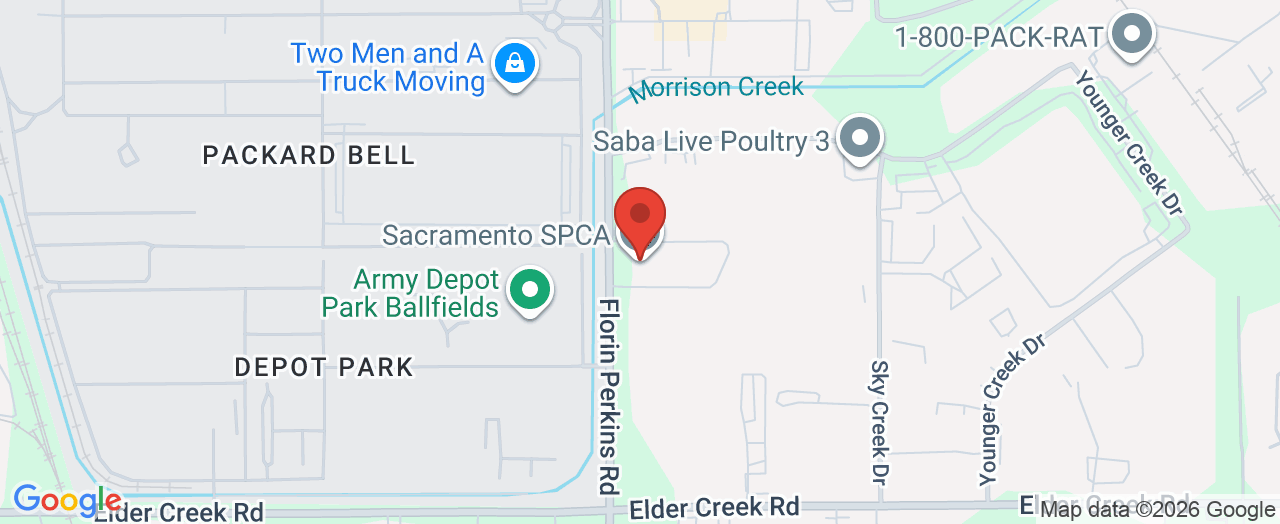
📍 Address: 6201 Florin Perkins Rd, Sacramento, CA 95828, USA
📞 Phone: +1 916-383-7387
🌐 Website: http://www.sspca.org/
This is a custom HTML / JavaScript Element
In order To See Your Custom HTML/JavaScript Code in Action You Must Click On The Preview Page Button, Your Code is NOT going to be active in the edit mode
Feeling Overwhelmed at a Shelter? Here’s How the Right Questions Turn Uncertainty Into Confidence
Walking into a local animal shelter can feel like stepping into a world of possibility—and uncertainty. Rows of eager eyes, wagging tails, and soft purrs greet you at every corner, but beneath the excitement often lies a quiet anxiety: How do you choose the right companion? What if you make the wrong choice?
For many Sacramento residents, the decision to adopt a shelter pet is wrapped up in a swirl of emotions, ranging from hopefulness to self-doubt. The desire to help an animal in need is strong, yet the weight of responsibility can feel just as heavy.
It’s completely normal to feel unsure about what questions to ask as you stand in front of a kennel or cat enclosure.
Pets adopted from shelters may come with unknown histories, unique needs, or behaviors shaped by past circumstances. And even though you want to give a pet a forever home, you might worry about how they’ll adjust to your lifestyle—or how you’ll adjust to theirs.
This guide aims to ease that tension, helping Sacramento residents move from uncertainty to clarity, so you can make a thoughtful decision that benefits both you and the animal you bring home.

What Should You Know Before Adopting a Shelter Pet? Essential Concepts Explained Simply
Being prepared to adopt a shelter pet isn’t just about falling in love with a friendly face. It’s about asking meaningful questions and understanding the answers in plain language.
“Behavior assessments,” for example, may sound technical, but they’re simply how shelter staff observe a pet’s reactions to new people, play, or daily routines.
Asking about an animal’s experiences in foster care or their adjustment needs (“decompression period”) can help you understand what to expect in the first few weeks at home.
Many people worry about picking a pet with hidden challenges—perhaps a dog that is fearful in busy environments, or a cat that prefers solitude. Without asking, you might miss important details about health, temperament, or special care needs.
Some Sacramento shelters, such as the Sacramento SPCA, use adoption counseling to match families and pets thoughtfully, providing honest input about any ongoing care or behavioral support an animal may need.
The aim is not to intimidate you, but to give you a realistic understanding so you’re set up for success from day one. Asking the right questions moves you from “what if” to “what now.”
While no assessment can predict behavior with complete certainty, transparent conversations with shelter staff greatly increase the likelihood of a successful match.
How the Right Questions Make Pet Adoption Safer and More Rewarding

Local shelters—including organizations like Sacramento SPCA—play a valuable advisory role, offering counseling and information throughout the adoption process.
The Sacramento SPCA approaches adoption as a compatibility process rather than a transaction. Through structured counseling conversations, staff members help adopters evaluate lifestyle fit, energy level, and household dynamics before finalizing placement. The goal is long-term stability—not simply completing an adoption.
By asking questions about a pet's medical history, behavioral traits, or daily needs, you position yourself to make decisions rooted in knowledge, not assumptions. This means fewer surprises at home, smoother transitions for the animal, and a greater chance of a lasting bond.
The more you know upfront—about things like spay/neuter status, previous living situations, or observed fears—the better you can align your expectations and resources.
When you ask about a “decompression period,” you arm yourself with realistic timelines for your new pet’s adjustment. Questions about health—such as vaccinations and spay/neuter procedures—help you understand immediate needs and long-term commitments.
By clarifying which behaviors are normal in a shelter environment and which may signal something more, you gain insight into what support a new family member might need once at home.
In short, the more thoroughly you engage with shelter staff and ask meaningful questions, the more confidence you bring to both your decision and your new pet’s journey.
Why Knowing an Animal’s History and Temperament Matters—And How to Ask
Every shelter pet has a story, though sometimes those stories are incomplete. Shelters try to piece together each animal’s background through intake notes, foster reports, and direct observation.
For example, you might ask, “Have you noticed how this dog interacts with other pets or children?” or, “Has this cat been in foster care, and if so, how did they behave at home?”
Even simple questions about feeding, play, or exercise routines can reveal a great deal.

Local organizations such as Sacramento SPCA often perform behavior evaluations. This may involve seeing how a pet reacts to toys, food, leashes, or meeting new people. Understanding these responses helps adopters anticipate any initial challenges—and quickly address them.
By asking shelter staff to share their direct experiences with an animal, you get real-world, practical insights (not just what’s on a printed profile).
The more you understand about a pet’s reactions and preferences, the better you can plan for their arrival, making the leap from shelter to home less stressful for both of you.
The Health Checklist: What Medical Questions to Cover Before Bringing a Pet Home
When adopting, it’s crucial to discuss an animal’s health background. Ask direct questions about vaccinations, deworming, flea prevention, and whether the pet has been spayed or neutered.
This isn't just paperwork: it sets the stage for a healthier relationship from day one. Shelters in Sacramento—including Sacramento SPCA—frequently provide up-to-date vaccinations and ensure a high rate of sterilization, but it’s still important to clarify what has been done and what (if anything) is needed soon after adoption.
Medical transparency is a core component of the Sacramento SPCA adoption process.
By clearly communicating vaccination status, sterilization procedures, and any known health considerations, the organization aims to reduce uncertainty for adopters and create smoother transitions from shelter to home.
Understanding medical history upfront allows families to plan responsibly and confidently.
If ongoing health issues or medications are involved, request specifics about care routines and financial expectations. Knowing if an animal has been treated for prior injuries or chronic conditions allows you to prepare both logistically and emotionally.
These practical questions help avoid surprises—and give you a clearer sense of your new companion’s well-being and future needs.

Setting Realistic Expectations: Lifestyle Fit, Adjustment Periods, and Support
Adopting a shelter pet doesn’t transform your daily life overnight; it’s a transition that unfolds over weeks or even months. Ask shelter staff how an animal has handled changes at the shelter, how long they’ve been there, and what kind of environment might suit them best.
Some animals adapt quickly, while others need time and patience in a calm space (often called a “decompression period”).
Sacramento SPCA emphasizes that the shelter environment does not always reflect a pet’s true personality.
Staff regularly remind adopters that behaviors observed in a kennel setting may shift once the animal feels safe in a home. Allowing time, structure, and predictability during the first few weeks is considered essential to helping a new pet fully settle and thrive.
Understanding what support will help a pet settle—whether it’s gradual introductions, a consistent feeding routine, or quiet time—can make a world of difference.
It’s also wise to ask about post-adoption resources, such as training, behavioral advice, or ways to connect with other adopters. Local shelters often provide written guides or even community events to support new pet owners.
These resources can help answer questions that arise after you bring your pet home—empowering you to respond confidently to the ups and downs of the early weeks together.
Expert Insight: How Local Shelters Like Sacramento SPCA Guide Adopters Through the Process
Animal shelters across Sacramento share a core philosophy: animal welfare is about much more than just finding homes—it's about creating healthy, lasting relationships between pets and people.
Sacramento SPCA, for example, makes community education, accessible medical care, and responsible adoption its focus.
Through services such as vaccinations, sterilization prior to adoption, and behavior evaluations, local shelters work to ensure that each animal’s needs are clearly communicated to potential adopters.
This clarity benefits both the pet and the adopter. By openly sharing what they know about each animal—from temperament to health status—shelters set adopters up for success, rather than leaving them to guess.
This transparency means that every adoption begins with eyes wide open, equipped with both practical knowledge and realistic expectations.
Whether an animal is outgoing or reserved, healthy or requiring ongoing care, the guidance provided by local shelter experts allows adopters to understand exactly what support a new pet will need.
Approaching pet adoption in this informed, honest way is fundamental to the mission of organizations like Sacramento SPCA—and it brings communities one step closer to ensuring every animal finds the home best matched to their needs.
Community Experiences: How Asking the Right Questions Makes a Difference
One Sacramento resident, seeking support through a particularly tough situation, found compassion and guidance at a local shelter during a difficult farewell to a beloved family dog. For many, these moments reveal just how important communication and understanding are—both in times of adoption and loss.
This is a custom HTML / JavaScript Element
In order To See Your Custom HTML/JavaScript Code in Action You Must Click On The Preview Page Button, Your Code is NOT going to be active in the edit mode
As pet owners, there sadly always comes a time when our beloved companions get ill and pass away ... and may need end of life services. I was shocked to learn that local vets now charge up to $250 for simple euthanasia ... but I was so relieved to learn that SPCA offers this service for $100-150. I sadly had to use this twice in the last two years, for my dear cats, and since money was tight, it was a true relief that they could help me. I was able to hold my cat on my lap, as he peacefully purred, as they gave him a painless injection and he quietly passed away.They can take care of the body, or give it to you, or cremate and give you the ashes. It's nice to have options for what suits you.The staff here is (of course!) very caring and kind ... just the right people to help you through one of life's toughest moments.Please share this info, as I think it's cruel that vets change so much from grieving pet owners for something that costs them $20 or whatever.The downside is it's a non-profit and it's impossible to reach them by phone. You can walk in for it, but appointments cost less and then you can be with your pet. But they actually take about a week to return your call, so plan ahead!!! You can drive there to book an appointment (worth it).I hope this helps people.
Stories like these reinforce just how essential thorough communication and the right questions are—even beyond the adoption process.
By taking a thoughtful, prepared approach, anyone in Sacramento can be sure their experience, from adoption to end-of-life care, is handled with respect and understanding. Choosing to ask those questions makes a difference not only for animals, but for the people who love them.
Confident Choices: Asking the Right Questions Builds Healthy Relationships With Shelter Pets
Choosing to adopt a shelter pet in Sacramento is a commitment—one that’s best made with open eyes, honest questions, and a willingness to learn. The process is emotional and sometimes daunting, but the more informed you are, the less guesswork there is.
Local shelters, including Sacramento SPCA, serve as information hubs, helping to clarify both the opportunities and the responsibilities that come with adoption.
By guiding you through questions about behavior, medical care, and adjustment needs, they make sure that each new relationship starts with understanding, not uncertainty.
In the end, the most successful adoptions happen when both people and pets have their needs recognized. Adopting a pet is a big step, but asking thoughtful, specific questions turns uncertainty into confidence—and lays the groundwork for a rewarding lifelong bond.
Location and Hours for Sacramento SPCA
🕒 Hours of Operation:
Operating hours may vary by season or service. For the most up-to-date schedule, visit the official Sacramento SPCA website or contact the shelter directly before planning your visit.
📅 Monday: ❌ Closed
📅 Tuesday: 10:30 AM – 5:30 PM
📅 Wednesday: 10:30 AM – 5:30 PM
📅 Thursday: 10:30 AM – 5:30 PM
📅 Friday: 10:30 AM – 5:30 PM
📅 Saturday: 10:30 AM – 5:30 PM
📅 Sunday: ❌ Closed
Find reputable pet care professionals offering boarding, training, grooming, and specialty services inside Pet Services, or explore additional community-focused providers in the Lifestyle Directory.
---
Prepared by the Sacramento Living Well Editorial Team — published by DSA Digital Media, supporting informed local choices across Greater Sacramento.


Write A Comment