
Prenatal massage is a specialized form of bodywork designed to support the physical and emotional changes that come with pregnancy. Many people assume it’s simply a gentler version of a regular massage, but it is carefully adapted for shifting posture, circulation changes, and trimester-specific needs. When performed by a trained professional, it can help ease muscle tension and create structured time for rest during a demanding season.

Intention Massage Therapy
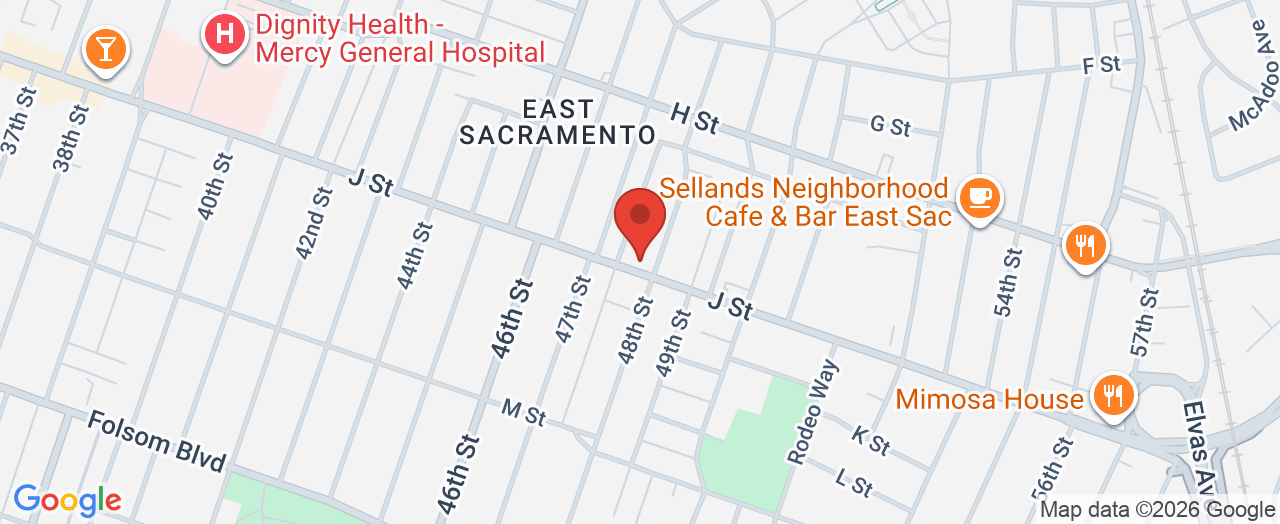
📍 Address: 4755 J St, Sacramento, CA 95819, USA
📞 Phone: +1 559-905-1668
🌐 Website: http://intentionmt.amtamembers.com/
This is a custom HTML / JavaScript Element
In order To See Your Custom HTML/JavaScript Code in Action You Must Click On The Preview Page Button, Your Code is NOT going to be active in the edit mode
Nurturing Body and Mind: The Role of Prenatal Massage in Pregnancy Wellness
Pregnancy is transformative — but it is also physically demanding in ways many women don’t anticipate.
The body does not simply “grow a baby.” It reorganizes itself. Bones shift. Ligaments soften. Muscles adapt to new weight distribution. Organs move. Circulation increases dramatically. Hormones fluctuate daily. Sleep patterns change. Emotions intensify.
For many mothers-to-be in Sacramento, pregnancy brings persistent lower back pain, hip tension, rib pressure, swelling in the legs and feet, disrupted sleep, and a heightened stress response that can feel difficult to regulate.
While prenatal medical care remains the foundation of a healthy pregnancy, more expecting parents are exploring supportive therapies that help manage physical discomfort and emotional strain. Prenatal massage has emerged as one such option — not as a replacement for obstetric care, but as a complementary practice designed to support the body through change.
When performed by a trained professional, prenatal massage may ease muscular tension, promote circulation, and create structured time for rest — something many women find surprisingly powerful during pregnancy.
What Actually Happens to the Body During Pregnancy
Understanding why prenatal massage can help begins with understanding what pregnancy does to the body.
As the uterus expands:
The center of gravity shifts forward.
The lumbar spine compresses to counterbalance weight.
The pelvis tilts.
The abdominal wall stretches.
The rib cage widens to support breathing.
The diaphragm elevates.
Blood volume increases by up to 50%.
The hormone relaxin softens connective tissue.
These changes are normal and necessary. They prepare the body for birth.
But they also create muscular compensation patterns.
The lower back tightens to stabilize the spine. Hip flexors shorten. Gluteal muscles strain. Upper back and shoulder muscles tighten to counter forward weight. Side sleeping places pressure on the hips and shoulders, often leading to nighttime discomfort.
The American College of Obstetricians and Gynecologists (ACOG) recognizes that musculoskeletal discomfort is common during pregnancy due to these structural adaptations. The organization also emphasizes that patients should consult healthcare providers before beginning complementary therapies.
“Back pain and musculoskeletal discomfort are common during pregnancy due to normal physical changes. Patients considering complementary therapies should consult their healthcare provider to ensure safety.”
That guidance reinforces an important principle: supportive care works best alongside medical oversight.

How Prenatal Massage Is Structurally Different
Prenatal massage is not simply a traditional massage adapted casually for pregnancy.
It requires training in anatomy, physiology, positioning, and contraindications specific to pregnancy.
Instead of lying face down or flat on the back, clients are typically positioned side-lying with supportive bolsters to reduce pressure on major blood vessels. Pressure is modified to avoid overstimulation. Certain reflex points and deep abdominal techniques are avoided. Communication remains ongoing throughout the session.
The American Massage Therapy Association notes that prenatal massage, when performed by a therapist trained in pregnancy-specific techniques, may help reduce muscle tension, promote circulation, and support relaxation.
Here’s a structural comparison:
How Prenatal Massage Differs From Traditional Massage
Feature |
Prenatal Massage |
Traditional Massage |
|---|---|---|
Positioning |
Side-lying with bolsters |
Often prone or supine |
Pressure |
Gentle to moderate |
May include deep tissue |
Safety Screening |
Trimester + medical intake |
Standard intake |
Primary Goal |
Comfort, support, circulation |
Relaxation or therapeutic release |
Adaptation |
Changes by trimester |
Generally consistent |
The focus is safety and adaptability — not intensity.
The Nervous System and Emotional Regulation
Pregnancy affects more than the musculoskeletal system. It influences the nervous system as well.
Hormonal fluctuations can heighten emotional sensitivity. Sleep disruption affects stress tolerance. Anticipation of labor, parenting, and life changes can amplify anxiety.
Dr. Tiffany Field, founder of the Touch Research Institute, has conducted research examining massage therapy in pregnant women. Her studies found that women receiving regular massage reported reduced anxiety and improved mood compared to control groups.
“Pregnant women receiving massage therapy showed decreased anxiety and improved mood compared to control groups.”
Massage may stimulate the parasympathetic nervous system — the “rest and digest” response — helping counterbalance stress signals.
For many women, this shift feels grounding. The session becomes a predictable moment of calm during a season that can feel unpredictable.

Circulation, Swelling, and Lymphatic Support
Increased blood volume supports fetal growth but can contribute to swelling in the lower extremities. Gravity and prolonged standing may intensify this effect.
Gentle massage techniques may encourage circulation and lymphatic movement. While massage does not eliminate edema caused by pregnancy, it may reduce the sensation of heaviness and discomfort.
Therapists trained in prenatal massage understand how to avoid excessive pressure on areas where clotting risk could be present. Screening and technique matter.
Safety and Medical Collaboration
Not every pregnancy is low-risk.
Individuals with preeclampsia, clotting disorders, high-risk pregnancy, or unexplained symptoms should consult their healthcare provider before scheduling massage therapy.
Dr. Mary Jane Minkin, clinical professor of obstetrics and gynecology at the Yale School of Medicine, has publicly emphasized that massage can be beneficial for muscle tension during pregnancy when performed by a properly trained practitioner.
“Massage can be helpful for muscle tension in pregnancy, provided it is performed by someone trained in prenatal techniques.”
The phrase “properly trained” is critical.
A responsible prenatal massage therapist will:
Conduct a detailed intake.
Modify positioning carefully.
Adjust techniques by trimester.
Encourage ongoing communication.
Refer clients back to medical providers when necessary.
Massage is supportive care — not medical intervention.
Prenatal massage works best as a complement to medical care — not a substitute for it.

Trimester-by-Trimester Support
Pregnancy is not static. Needs shift over time.
Common Focus Areas by Trimester
Trimester |
Common Discomforts |
Massage Focus |
|---|---|---|
First |
Fatigue, tension, nausea-related strain |
Gentle relaxation |
Second |
Hip imbalance, lower back pain |
Pelvic and lumbar support |
Third |
Rib pressure, sciatica, sleep discomfort |
Shoulder, hip, and pelvic comfort |
Adaptability is what defines effective prenatal massage.
The Importance of Individualized Care
No two pregnancies are identical.
Some women experience sciatica early. Others struggle with upper back strain. Some feel energized. Others feel depleted.
Individualized sessions allow the therapist to respond to what the body needs that day.
One Sacramento-based provider offering prenatal massage is Intention Massage Therapy. The practice emphasizes adaptability rather than rigid routines.
“Every body heals in their own way.”
This philosophy reflects a broader understanding within prenatal massage training: personalization enhances comfort and safety.
A Client Perspective
One Sacramento practice offering prenatal massage services is Intention Massage Therapy. For many expectant mothers, understanding how a session feels can be just as important as understanding the technical details.
Here is one client’s experience:
This is a custom HTML / JavaScript Element
In order To See Your Custom HTML/JavaScript Code in Action You Must Click On The Preview Page Button, Your Code is NOT going to be active in the edit mode
My experience with Kate at Intention Massage was absolutely incredible. From the moment I arrived, her warm and personable nature made me feel instantly at ease. Kate’s deep understanding of body mechanics, combined with her intuitive sense of where healing was needed, made the experience incredibly restorative. Her energy is like the warm, radiant sun-uplifting and calming. She’s professional, attentive, and truly gifted at what she does. I left feeling completely refreshed and balanced-without a doubt, the best massage I’ve ever had. I highly recommend Kate to anyone seeking expert care and genuine healing.
Experiences like this highlight what many women value most — comfort, attentiveness, and feeling supported during a physically demanding time.
Sleep, Fatigue, and Recovery
Sleep often becomes lighter and more fragmented as pregnancy progresses. Shoulder strain from side sleeping and pelvic discomfort can interrupt rest.
Reducing muscular tension may improve sleep quality for some women. Even one structured hour of rest can feel restorative.
Sometimes relief isn’t dramatic. It’s subtle. But subtle shifts can matter.
Prenatal Massage as Preparation for Birth
While prenatal massage does not induce labor or directly influence delivery outcomes, some women find that regular sessions help them become more aware of their bodies.
Increased body awareness may support breathing practices and relaxation techniques used during labor.
Again, massage is not a guarantee of birth experience — but it can support physical readiness and comfort leading up to it.
Integrative Pregnancy Wellness in Sacramento
Sacramento has seen growing interest in integrative wellness approaches during pregnancy. Many expecting parents combine:
Prenatal yoga
Pelvic floor physical therapy
Gentle strength training
Chiropractic care
Mindfulness and breathing exercises
Ongoing obstetric care
Prenatal massage often becomes one layer within that broader framework.
Exploring Local Options
When researching prenatal massage providers in Sacramento, consider:
Training credentials
Prenatal-specific experience
Communication style
Safety protocols
Client comfort
A Grounding Presence in a Season of Change
Pregnancy asks much of the body.Muscles stretch. Ligaments soften. Posture shifts. Emotions deepen.Medical care remains essential. Yet supportive practices like prenatal massage may offer relief from muscular strain and create space for calm.For many women, that steady hour of intentional care becomes one of the quieter, grounding parts of the journey toward motherhood.
Contact the Experts at Intention Massage Therapy
If you’d like to learn more about how prenatal massage in Sacramento could benefit your pregnancy and wellness journey, contact the team at Intention Massage Therapy.
📍 Address: 4755 J St, Sacramento, CA 95819
📞 Phone: +1 559-905-1668
🌐 Website: http://intentionmt.amtamembers.com/
Intention Massage Therapy Location and Hours of Operation
🕒 Hours of Operation:
📅 Monday: 9:00 AM – 5:00 PM
📅 Tuesday: 9:00 AM – 7:00 PM
📅 Wednesday: ❌ Closed
📅 Thursday: 9:00 AM – 7:00 PM
📅 Friday: 9:00 AM – 7:00 PM
📅 Saturday: 9:00 AM – 7:00 PM
📅 Sunday: ❌ Closed
Find reputable self-care professionals offering therapeutic, beauty, and wellness-focused services inside Self-Care Services, or explore more community-based businesses in the Lifestyle Directory.
---
Prepared by the Sacramento Living Well Editorial Team — published by DSA Digital Media, supporting informed choices and meaningful local connections.


Write A Comment