
Local sourcing has become a real business strategy for restaurants, not just a marketing message. Many people assume it’s mainly about image or trends, but it actually changes how restaurants plan menus, manage supply, and work with nearby farms. As more restaurants build their operations around local ingredients, sourcing becomes part of how the business runs day to day, not just how it presents itself.

Magpie Café
📍 Address: 1601 16th St, Sacramento, CA 95814, USA
📞 Phone: +1 916-452-7594
🌐 Website: http://www.magpiecafe.com/
This is a custom HTML / JavaScript Element
In order To See Your Custom HTML/JavaScript Code in Action You Must Click On The Preview Page Button, Your Code is NOT going to be active in the edit mode
What Drives the Shift from Slogan to Strategy in Restaurant Sourcing?
It’s a familiar sight: a chalkboard menu listing nearby farms or a server proudly telling you the peaches in your salad were picked that morning just a county away.
But as diners have become more informed, local sourcing has grown from a trendy idea into a real business strategy.
Sourcing food locally isn’t just about looking good or following the latest food trend. It’s about changing how restaurants operate, the relationships they build, and the way communities connect with food.
So what happens when local sourcing becomes part of how a restaurant runs every day instead of just something it talks about?
Across the country, independent restaurants and creative chefs are rethinking how they source their ingredients. For many, local sourcing has become part of the way they run their business rather than an occasional feature or marketing idea.
The reasons go beyond flavor. Some restaurants see it as a way to strengthen their connection to the community, improve flexibility, or support broader business goals.
As more restaurants take this approach, local sourcing is becoming part of how many businesses define themselves and what they want guests to experience.
As more restaurants take this approach, one question stands out: When does "local" stop being a buzzword and become the way a restaurant does business?

Local Sourcing: Beyond Buzzwords to Real-World Business Model
The local sourcing business model is built on a simple idea: buy ingredients from nearby producers whenever it makes sense for the restaurant and the community.
That means working with local farms, ranches, fisheries, and small food producers—usually within a certain distance of the restaurant.
Over the past decade, "farm-to-table" has grown from a marketing phrase into a way many restaurants run their businesses. For some restaurants, it now shapes everyday decisions about buying ingredients, planning menus, and building relationships with local producers.
At its core, this approach changes how restaurants get their ingredients. Instead of relying mostly on large national distributors that offer the same products year-round, restaurants work more closely with nearby farms and producers to use what's growing and available each season.
That can be more challenging because smaller farms may have changing supplies and weather can affect what's available. But it also gives chefs more freedom to create menus around fresh, seasonal ingredients.
Marion Nestle, Ph.D., Professor Emerita of Nutrition, Food Studies, and Public Health at New York University and author of Food Politics, has spent decades studying how food is grown, distributed, marketed, and sold.
Her work helps show how restaurant purchasing connects kitchens with farmers, distributors, and the larger food system that brings ingredients to the table.
For restaurant owners, this approach goes beyond following a food trend. It's a way of running the business that affects purchasing, supplier relationships, and how well a restaurant can adapt as seasons and market conditions change.

Why Embedding Local Sourcing Benefits Restaurants, Diners, and Communities
Some restaurants show how local sourcing can become part of everyday business instead of just an idea. Magpie Café is one example. It builds its menus around ingredients from nearby farms and producers instead of treating seasonal foods as occasional specials.
The result is more than variety. As the seasons change, the menu changes too, reflecting what's available from the region instead of staying the same all year.
Beyond flavor, a local sourcing business model can also help build trust with customers. When restaurants are open about where their food comes from, people often feel more confident about what they're eating and who they're supporting.
For chefs and kitchen teams, local sourcing creates opportunities to work with ingredients that aren't always available through large distributors. That can open the door to new ideas while giving restaurants more flexibility in how they plan meals throughout the year.
Getting ingredients from closer sources can also reduce the need for long-distance shipping and help restaurants respond more quickly when supply problems come up.
At the same time, local sourcing has its challenges. Seasonal ingredients aren't always available, and supply can change throughout the year.
Even so, many restaurants see that flexibility as part of the process, allowing them to adapt instead of relying on the same ingredients year-round.

When restaurants buy from nearby farms, they can provide those businesses with steady customers while keeping more food dollars in the local economy.
For diners, locally sourced ingredients may also spend less time between harvest and the plate, although freshness and nutritional value still depend on how the food is handled, stored, and prepared.
In farming regions like Sacramento, restaurants often have access to many nearby farms and producers. That creates opportunities to build stronger relationships between growers and local restaurants.
Those relationships vary from one business to another, but they remain an important part of many local food systems..
How Local Sourcing Fuels Creativity: Tasting the Seasons, Not Just the Recipes
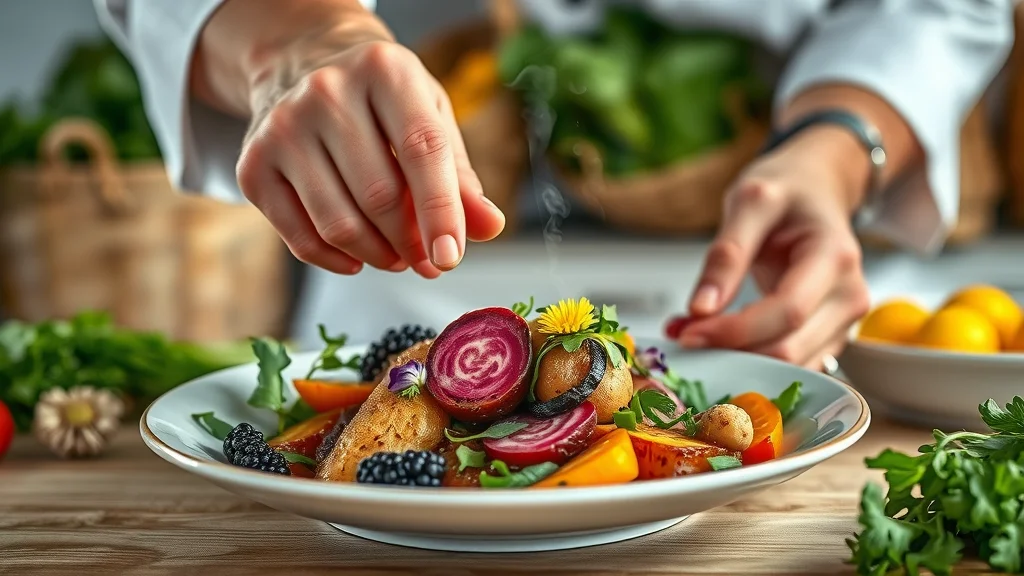
One benefit of local sourcing is that it can spark creativity in the kitchen. Instead of using the same ingredients all year, chefs often rethink their dishes based on what's fresh and available from nearby farms each season.
That can lead to new flavor combinations, seasonal specials, and fresh ways to prepare familiar ingredients that guests might not expect.
This approach keeps kitchens flexible while giving returning diners something new to enjoy. As ingredients change from week to week and season to season, menus change too, making each visit a little different from the last.
For restaurants that take this approach, changing seasons give both chefs and diners a chance to discover new ingredients, try different dishes, and enjoy familiar foods prepared in new ways.
Food science author Harold McGee, whose book On Food and Cooking has been a trusted resource for chefs, culinary teachers, and food professionals for many years, has written extensively about how growing conditions, harvest timing, and freshness affect the way ingredients perform in the kitchen.
His work shows that seasonal ingredients naturally encourage cooks to adjust recipes and cooking techniques throughout the year, making creativity a practical response to changing ingredients.
The Roots of Local Sourcing in Restaurant History
While the term "local sourcing" has become more common over the past couple of decades, the idea itself isn't new.
Before refrigeration, modern trucking, and large food distribution systems, people depended much more on food that was grown or raised nearby, even though preserved foods and valuable goods had long been traded across regions and countries.
Over time, improvements in transportation, refrigeration, and shipping made it possible to move ingredients quickly across the country and around the world.
In recent years, many diners have started thinking differently about convenience. Along with cost, they've become more interested in flavor, nutrition, and the environmental impact of their food.
As a result, seasonal and regional cooking has become a choice rather than a necessity.
Today, many chefs embrace that approach not because they're trying to recreate the past, but because they see practical benefits. Fresh ingredients, less waste, and stronger relationships with local growers all play a role.
The best examples combine traditional sourcing with modern technology, using today's transportation and communication systems to connect nearby farms with restaurant kitchens more efficiently than ever before.
How Local Sourcing Shapes the Dining Experience
For guests who care about where their food comes from, restaurants built around local sourcing offer a closer look at how ingredients make their way to the plate.
Menus that list local farms, seasonal ingredients, or sourcing practices help diners understand the choices behind each dish.
At restaurants like Magpie Café, those details can make the dining experience feel more personal by giving guests a better understanding of the story behind each dish.
For some diners, that added connection becomes another reason to choose one restaurant over another, alongside flavor, service, atmosphere, and overall value.
Over time, guests may begin to notice patterns...how menus change, how ingredients are described, and how some restaurants reflect the seasons and the communities around them.
In that way, local sourcing can shape more than a single meal. For some diners, it becomes one of the things they look for when deciding where to eat.

How Local Sourcing Shapes Daily Restaurant Operations
You can see the day-to-day side of local sourcing at restaurants like Magpie Café. Behind every meal is ongoing planning, purchasing, inventory management, and communication that help the kitchen stay organized as ingredient availability changes.
This approach requires coordination across the business, not just in the kitchen.
Buying ingredients, managing inventory, and planning menus become an ongoing process instead of a fixed routine.
Rather than depending on a single purchasing pattern year-round, restaurants continually adjust how they source ingredients to match changing conditions.
That day-to-day teamwork reflects a broader shift in how some independent restaurants operate. Instead of treating local sourcing as a marketing message, they make it part of their everyday business, building a model that can adapt to changing conditions while maintaining strong relationships with local farms and producers.
When Diners Taste the Difference: A Guest’s Perspective
Diners at restaurants that focus on local sourcing often notice the difference in the food they eat.
That can be especially true when chefs find creative ways to use seasonal ingredients or give vegetarian dishes the same care and attention as meat and seafood. One guest at Magpie Café described that experience this way:
This is a custom HTML / JavaScript Element
In order To See Your Custom HTML/JavaScript Code in Action You Must Click On The Preview Page Button, Your Code is NOT going to be active in the edit mode
Two of us in late age. Vegetarians. We ordered 4 small plates which had more vegetarian options. We had a mushroom chanterelle tart, sauced greens (vegs in soy sauce with nuts), cauliflower fritters and vegs fritters. Every dish had a good spin on basic ingredients. Cauliflower fritters came with a yogurt sauce beautifully flavored. The chef had tried to make vegetarian food interesting and he has succeeded. Compliments to Chef! - Poonita P.
For many guests, the impact of local sourcing shows up in the meal itself. Reviews like this show how fresh seasonal ingredients and creative menu choices can make familiar foods feel new and enjoyable, even if diners are focused more on the finished dish than where the ingredients came from.
One review can't represent every guest's experience, but it shows how fresh ingredients and careful preparation can help create a memorable meal.
That's one of the goals many restaurants have when they build their menus around seasonal and regional ingredients.
Looking Ahead: Local Sourcing and the Evolving Identity of Restaurants
As local sourcing becomes a bigger part of how restaurants operate, it's also changing what many diners expect. What once helped a restaurant stand out is becoming something more people look for when they choose where to eat.
That shift reflects changes in both customer interests and restaurant practices. Research from the National Restaurant Association has found that many diners are interested in restaurants that offer locally sourced ingredients.
That suggests sourcing information has become one of several things some people consider when deciding where to eat.
Hudson Riehle, Senior Vice President of Research and Knowledge for the National Restaurant Association, has identified local sourcing and environmental stewardship as trends that continue to shape the restaurant industry.
As interest in where food comes from has grown, many restaurants have made local sourcing a more consistent part of how they operate instead of simply using it as a marketing message.
As the industry continues to evolve, restaurants that can clearly demonstrate those commitments may be better positioned to meet changing customer expectations while remaining true to their overall business goals.When Local Sourcing Becomes a Restaurant Business Strategy
Restaurants that make local sourcing part of their long-term business strategy build it into the way they buy ingredients, plan menus, and work with nearby producers instead of treating it as a seasonal promotion or marketing message.
Magpie Café is one example of how those everyday decisions can shape both the menu and the overall dining experience.
As more independent restaurants explore this approach, local sourcing continues to play a bigger role in how some businesses buy ingredients and plan their menus.
Magpie Café shows one way these everyday practices can become part of a restaurant's identity while reflecting growing interest in regional sourcing.
Location and Hours for Magpie Café
🕒 Hours of Operation:📅 Monday: ❌ Closed📅 Tuesday: 4:30 – 9:00 PM📅 Wednesday: 4:30 – 9:00 PM📅 Thursday: 4:30 – 10:00 PM📅 Friday: 12:00 – 10:00 PM📅 Saturday: 12:00 – 10:00 PM📅 Sunday: 12:00 – 9:00 PM
Discover local restaurants, cafés, meal providers, and food-focused businesses that support everyday enjoyment and mindful eating in Food & Dining, or explore additional trusted businesses in the Lifestyle Directory.
---
Authored by the Sacramento Living Well Editorial Team — a publication of DSA Digital Media, dedicated to highlighting wellness, local living, and inspiring community stories throughout Greater Sacramento.


Write A Comment