
Portable solar panels have become a popular symbol of eco-friendly living, but many people misunderstand what they realistically provide and how to choose one that fits everyday needs. This article examines how portable solar panels actually work, what they’re best suited for, and which features matter most when comparing options—cutting through oversimplified claims about power, portability, and sustainability. By grounding the discussion in real-world use cases relevant to communities like Sacramento, it clarifies how these panels support cleaner, more resilient energy choices without replacing full home systems.
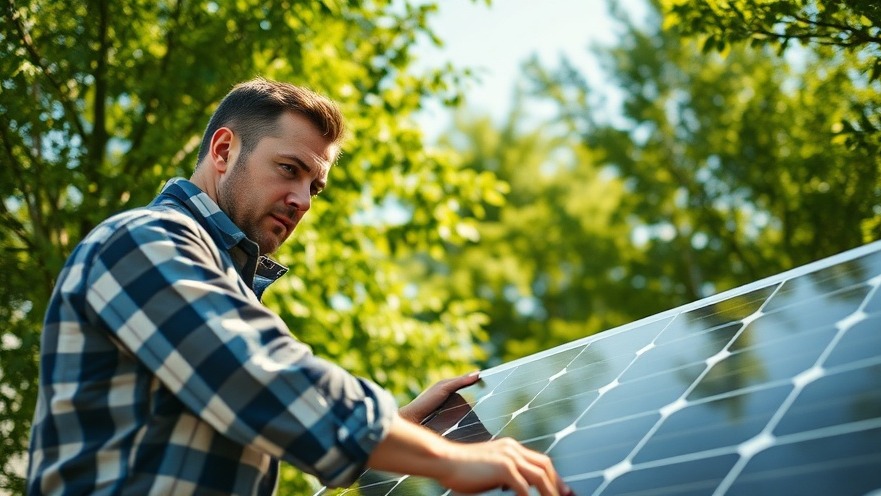
How to Choose the Best Portable Solar Panels for Eco-Friendly Living
There’s a quiet moment that happens the first time a portable solar panel actually powers something you need. A phone lights up. A lantern hums on at dusk. The power grid fades into the background—and for a second, you feel oddly capable.
If you’ve ever wondered what it would be like to create your own clean energy, right where you are, portable solar panels make that idea feel real. For many Sacramento residents—campers, homeowners, renters, and anyone thinking more seriously about sustainability—they’ve become less of a gadget and more of a mindset.
This guide isn’t about hype or tech jargon. It’s about understanding how portable solar panels really fit into everyday life, and how to choose one that actually works for you.
Why Portable Solar Panels Are Suddenly Everywhere
It’s easy to feel overwhelmed by energy choices right now. Utility costs rise. Power outages make the news. Climate concerns feel both urgent and abstract. Portable solar panels sit right at that intersection—practical enough to use today, meaningful enough to matter long term.
They show up on camping trips, in RV setups, on apartment balconies, and tucked into emergency kits. They’re small, flexible, and quietly powerful. And unlike rooftop solar, there’s no contractor, no permits, no commitment beyond unfolding a panel and letting the sun do its thing.
If you’ve ever thought, I want to live greener, but I don’t know where to start, this is often the starting point.

The Simple Science Behind Portable Solar Power (Without the Headache)
Solar panels work thanks to something called the photovoltaic effect—but don’t let the name scare you off.
Here’s the plain-English version: sunlight hits the panel, tiny particles of light (photons) bump into silicon cells, and that movement creates electricity. That electricity flows into a battery or device and becomes usable power.
Dr. Joshua Pearce, a professor of materials science and engineering who studies solar energy systems, often emphasizes how approachable this technology has become:
“Modern solar panels are remarkably efficient and durable. What once required complex systems is now accessible to everyday users with minimal setup.”
In practice, that means you don’t need to understand electrical engineering to benefit. You just need sunlight, a compatible device, and a little patience.
What Portable Solar Panels Actually Do Well (And Where They Shine)
Portable solar panels aren’t meant to replace your entire home’s energy system—but they excel in specific, meaningful ways.
They’re perfect for:
Charging phones, tablets, and laptops
Powering lights, fans, and small appliances
Supporting power stations during outages
Creating independence while camping or traveling
What surprises many people is how quietly reliable they feel. There’s no fuel to buy, no fumes, no noise. Just steady energy arriving from above.
Environmental engineer Kelly Sims Gallagher, who focuses on clean energy transitions, puts it simply:
“Distributed solar solutions empower individuals to participate directly in the energy transition, even at a small scale.”
That “small scale” still matters. Every watt you generate yourself is one less pulled from fossil fuels.
Flexible vs. Rigid Panels: Choosing the Right Personality
Not all portable solar panels are built the same, and this is where many people get stuck.
Flexible panels are lightweight, bendable, and easy to stash. Backpackers love them. So do travelers with limited space. They trade a bit of efficiency for convenience.
Rigid panels are sturdier and often more efficient. They’re heavier, but they perform better in strong sunlight and tend to last longer. These are popular for RVs, emergency kits, and semi-permanent setups.
If your panel needs to travel constantly, flexible makes sense. If it needs to work hard and last, rigid usually wins.

The Features That Actually Matter (And the Ones That Don’t)
It’s tempting to chase the biggest watt number on the box—but that’s only part of the story.
Here’s what’s worth paying attention to:
Power output: Match wattage to your real needs, not your dreams
Portability: Weight and folded size matter more than you think
Durability: Look for weather resistance and solid stitching or frames
Ease of setup: Kickstands, clips, and clear cables save frustration
Compatibility: USB-A, USB-C, DC outputs, and power station support
Dr. Jenny Chase, a long-time solar market analyst, often notes:
“The best solar product is the one people actually use. Convenience and compatibility drive real adoption more than raw specs.”
In other words, a panel you enjoy using beats a powerful one you leave at home.
Real-World Favorites People Trust
You don’t need dozens of options—just a few proven ones that consistently show up in real-world use.
Renogy Monocrystalline Foldable Panels – Known for reliability and solid power output
Jackery SolarSaga 100W – Popular for its efficiency and seamless pairing with power stations
EcoFlow 110–160W Panels – Durable, waterproof, and built for outdoor unpredictability
These models aren’t flashy. They’re dependable. And that’s exactly what you want when the sun is your fuel source.
Small Habits That Make a Big Difference
Once you own a panel, how you use it matters more than brand choice.
Angle it toward the sun. Wipe dust off the surface. Avoid shade—even partial shade can cut output dramatically. And when possible, pair it with a battery so you’re not chasing sunlight all day.
These tiny adjustments can double real-world performance.
Why This Choice Feels Bigger Than a Gadget
Portable solar panels aren’t just tools. They’re confidence builders.
They say: I can power what I need. They say: I’m not completely dependent. They say: I care about where my energy comes from.
For Sacramento residents balancing sustainability, preparedness, and everyday practicality, that combination feels especially relevant.
You don’t need to overhaul your life to live greener. Sometimes, it starts with unfolding a panel, watching a battery fill, and realizing that clean energy doesn’t have to be complicated—it just has to be within reach.
And now, it is.
Continue exploring green living solutions inside Eco Living, or discover more wellness and lifestyle features at Sacramento Living Well.
Brought to you by the Sacramento Living Well Editorial Team — a DSA Digital Media publication devoted to sustainability, wellness, and local living.


Write A Comment