
Interior design changes how a home feels and functions by improving layout, lighting, and how people move through each space. Many people assume it’s mostly about style, but the bigger impact comes from reducing daily friction and making rooms easier to use. In Sacramento homes, thoughtful design often means creating spaces that support real routines rather than just looking updated.

Rebecca Ward Design
📍 Address: 1812 J St #5, Sacramento, CA 95811, USA
📞 Phone: +1 916-668-9590
🌐 Website: https://www.rwarddesign.com/
This is a custom HTML / JavaScript Element
In order To See Your Custom HTML/JavaScript Code in Action You Must Click On The Preview Page Button, Your Code is NOT going to be active in the edit mode
Is Your Home Helping or Hindering Your Life? Why Design Matters More Than Ever
Have you ever walked into a room and felt distracted, uncomfortable, or unsettled without fully knowing why? Many people underestimate how much their surroundings influence their focus, mood, and ability to relax.
As daily routines become more demanding, the way a home is arranged and designed starts to play a more noticeable role in how easily life flows from one moment to the next.
It’s common for homeowners to feel overwhelmed when trying to update their space. Choosing layouts, materials, and furniture can quickly lead to decision fatigue, especially when everything needs to work together.
What often makes the process more difficult is that decisions are made in isolation—paint, furniture, lighting—without a clear understanding of how everything connects.
Rather than being just about style, thoughtful interior design is often about improving how a space functions day to day.
That can include adjusting how people move through a room, improving lighting conditions, or making sure furniture placement aligns with how the space is actually used. These kinds of changes are often subtle, but over time they can make a home feel more usable and less mentally draining.
Researchers in environmental psychology have long pointed to the connection between physical space and mental state.
As Sally Augustin explains, people respond to their surroundings in ways that directly affect their ability to focus, feel at ease, and manage stress—even when those influences aren’t immediately obvious.
Well-designed environments can support mental clarity and reduce cognitive strain, while poorly organized or visually overwhelming spaces can make it harder to concentrate and relax.

The True Power of Interior Design: More Than Just Pretty Spaces
Interior design is commonly misunderstood as simply picking fabrics, arranging furniture, or tossing a few decorative pillows. In reality, the work of a residential interior designer goes far deeper—they blend creativity with function to shape spaces that match lifestyles, routines, and dreams.
In Sacramento, where homes often need to adapt to the changing demands of families, a professional designer takes the time to understand both your sense of style and your daily requirements.
This unique approach brings together visual harmony and livable elegance that can positively shift how you interact with your home. The work is not just about achieving a photo-ready room, but about reimagining the everyday experience.
Without a clear plan, it’s easy for updates to feel disconnected or incomplete. Homeowners often invest time and money into individual changes—like a new sofa, updated flooring, or a kitchen upgrade—only to find the space still doesn’t function the way they expected.
In many cases, the issue isn’t the individual choices themselves, but how those choices interact within the space.
For example, a room may look visually appealing but still feel awkward to move through, or a newly renovated kitchen may lack the workflow needed for everyday use. These types of mismatches are common when layout, scale, and daily habits aren’t considered together.
Interior designers help reduce this disconnect by evaluating the full picture. Instead of focusing on one element at a time, they consider how layout, lighting, materials, and movement patterns work together, resulting in a space that feels more consistent and usable over time.

Why Investing in a Residential Interior Designer in Sacramento Changes Everything
In practice, working with a residential interior designer often comes down to having a structured way to make better decisions.
Designers bring experience in balancing layout, materials, and functionality, helping homeowners avoid common missteps that can happen when projects are approached one piece at a time. This becomes especially important in cities like Sacramento, where homes can vary widely in layout, age, and architectural style.
The feeling of being overwhelmed during a home project is also well documented. According to decision-making research from Barry Schwartz, having too many options without a clear framework can actually make decisions harder, not easier.
When people are faced with too many choices without guidance, it often leads to hesitation, second-guessing, and reduced satisfaction with the final outcome.
One of the more common challenges homeowners face is trying to visualize how everything will come together before making purchases. Without that clarity, it’s easy to second-guess decisions or end up with elements that don’t fully align once installed.
A structured design process helps reduce that uncertainty by mapping out how each component fits within the overall space.
For example, firms like Rebecca Ward Design often begin by evaluating how a household actually uses its home—how people move through spaces, where congestion happens, and which areas are underused.
These observations help guide layout and functional decisions before aesthetic elements are finalized.
Instead of focusing only on visual upgrades, this type of approach centers on aligning the home with real daily patterns. The outcome is typically a space that feels more cohesive and easier to live in, rather than one that simply looks updated.

Design with Confidence: How Structured Processes Lead to Stunning Results
One significant advantage of turning to a Sacramento residential interior designer is access to a tried-and-tested design process.
This methodology begins with an in-depth consultation at your home, where ideas are mapped out and individual room solutions are explored. It’s a moment for clients to articulate their vision—no matter how big or small—while receiving expert feedback on feasibility, costs, and potential.
After this collaborative kickoff, the design phase launches into full swing: detailed drawings are crafted, finishes and furnishings are sourced, and all necessary project estimates are gathered during on-site trade days.
This level of organization is the antidote to the overwhelming world of remodeling, where details can quickly get lost and projects stall due to indecision or lack of clear direction.
Designers anticipate each step, providing clients with a comprehensive and transparent design presentation—complete with pricing and fine details—before any purchases are made. When implementation arrives, the designer manages orders, coordinates contractors, and remains present to see the project through to completion.
The client’s role? To experience the unfolding of their dream home, stress-free, secure in the knowledge that every decision and obstacle is handled by professionals committed to excellence.

Everyday Luxury: Creating Spaces That Nurture, Inspire, and Support Your Life
Well-designed spaces often stand out not because they feel extravagant, but because they function smoothly in everyday use.
A kitchen that allows for easy movement between appliances, a living room where seating naturally supports conversation, or a bedroom that feels calm due to reduced visual clutter—these are the kinds of improvements that tend to have the most impact over time.
In many homes, small layout issues go unnoticed until they begin to affect daily routines. Narrow walkways, poor lighting placement, or furniture that doesn’t match the scale of a room can quietly create friction throughout the day.
These issues aren’t always obvious, but they often explain why a space feels “off” even after updates have been made.
Clutter plays a larger role in mental strain than many people realize. Neuroscience research cited by Princeton Neuroscience Institute found that visual clutter competes for attention, making it harder for the brain to process information efficiently.
When the visual field is overloaded, it can reduce focus and increase stress, even if the person isn’t consciously aware of it.
Designers working in residential spaces, including teams like Rebecca Ward Design, often focus on identifying and resolving these underlying problems.
By evaluating how lighting, layout, and materials interact, they help create environments that feel more balanced and intentional.
Rather than focusing on trends alone, the emphasis is usually on making spaces that remain comfortable and functional as routines change, which tends to provide more lasting value than purely visual updates.
Why a Sacramento-Based Designer Provides Unmatched Local Insight and Inspiration
Working with a designer who understands the Sacramento area can add a layer of practical insight to a project. Local professionals are often familiar with common home layouts, regional materials, and the types of updates that tend to perform well over time in this environment.
This can help homeowners make decisions that feel appropriate for both the property and the surrounding neighborhood.
Local experience also plays a role in navigating the logistical side of a project. From permitting requirements to contractor coordination, familiarity with the area can help reduce delays and miscommunication.
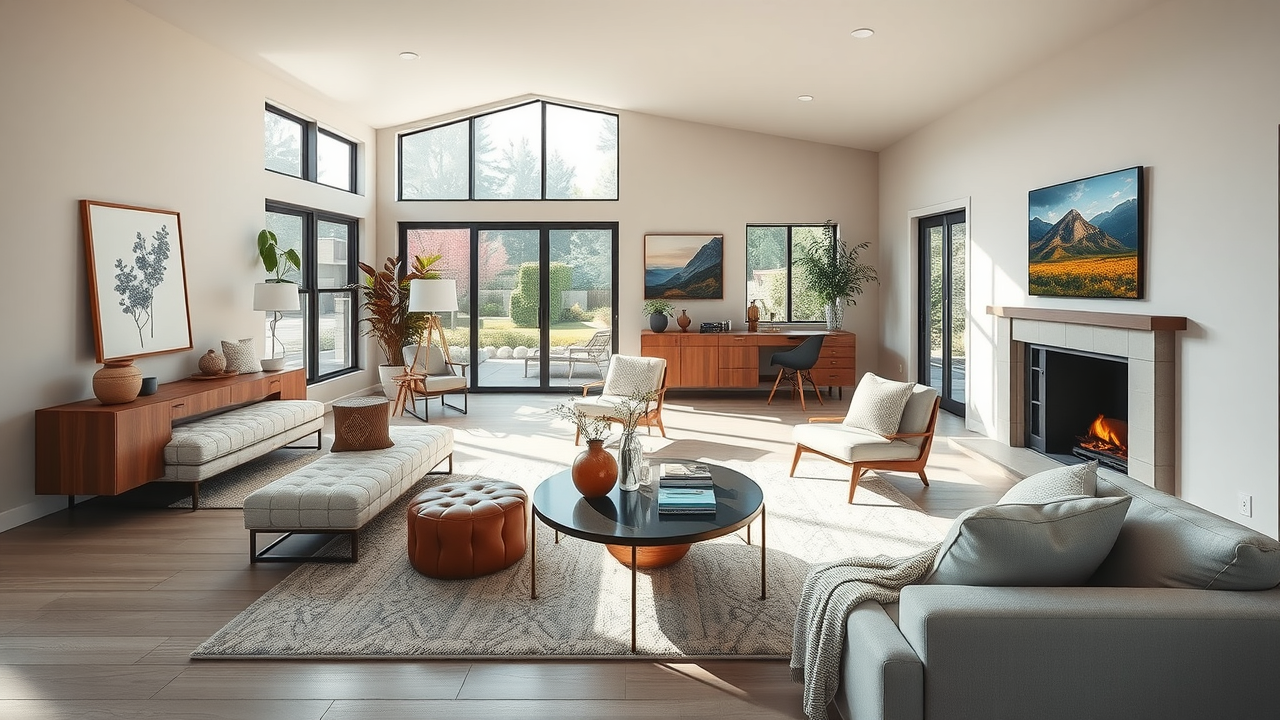
Rebecca Ward Design: Bringing Thoughtful Joy to Sacramento’s Homes
Some Sacramento-based design studios have built their reputation around creating spaces that reflect how people actually live, rather than focusing solely on aesthetics.
Rebecca Ward Design is one example, often recognized for projects that prioritize both usability and visual consistency across different areas of the home.
This approach reflects a broader shift within residential interior design. Instead of leading with style alone, many designers begin by analyzing how spaces are used throughout the day—where inefficiencies exist, how movement flows through a room, and what adjustments would improve functionality.
By addressing these factors early, design decisions tend to feel more intentional and cohesive. Layout, materials, and lighting are selected based on how they support daily routines, rather than being chosen independently.
This kind of method highlights how interior design functions not just as a creative service, but as a planning process that helps homeowners make more informed and practical decisions over time.
Trust and Transformation: A Real Story from a Sacramento Homeowner
When considering the leap towards a professionally designed home, hearing from real clients adds a powerful dimension to the process.
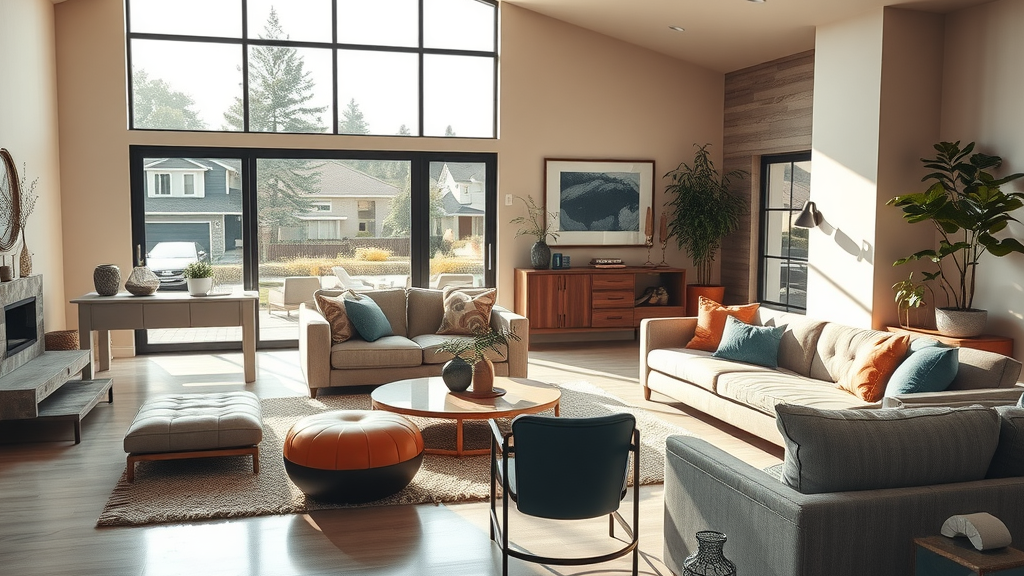
One Sacramento homeowner recently faced the challenge of redefining their living and family rooms, seeking cohesion and style, but feeling uncertain about where to start.
This journey, guided by expert input, ultimately led to a home that now draws admiration from guests and a profound sense of satisfaction for its residents. In the homeowner’s own words:
I was stumped on where to start on making over our living room and family room as they open up to each other and our kitchen. Rebecca worked within our budget and the results are stunning. I get compliments all the time on the interior of my home. I often tell that person I had help from Rebecca Ward Design Company. And it’s all timeless. Rebecca worked hard with me on choices made from furniture, paint colors and other items. She was also full of ideas. Her love for design was so evident.
Designing Sacramento Homes for the Future: Why a Great Interior Designer Is a Lasting Investment
A well-designed home is less about dramatic change and more about long-term usability. As needs shift over time, spaces that are thoughtfully planned tend to adapt more easily—whether that involves new routines, changing household needs, or different ways of using the space.
One of the key advantages of a structured design approach is that it considers not just immediate improvements, but how a home will function over time. This can reduce the need for repeated updates and help maintain consistency throughout the space.
Interior designers contribute by helping homeowners think through decisions before they are finalized. By combining practical planning with creative problem-solving, they create environments that remain functional, cohesive, and comfortable long after the initial project is complete.
Contact the Experts at Rebecca Ward Design
If you’d like to learn more about how a Sacramento residential interior designer could benefit your home environment, contact the team at Rebecca Ward Design. 📍 Address: 1812 J St #5, Sacramento, CA 95811, USA 📞 Phone: +1 916-668-9590 🌐 Website: https://www.rwarddesign.com/
Rebecca Ward Design’s Midtown Studio Location and Availability
🕒 Hours of Operation:
📅 Monday: 9:00 AM – 5:00 PM
📅 Tuesday: 9:00 AM – 5:00 PM
📅 Wednesday: 9:00 AM – 5:00 PM
📅 Thursday: 9:00 AM – 5:00 PM
📅 Friday: 9:00 AM – 5:00 PM
📅 Saturday: ❌ Closed
📅 Sunday: ❌ Closed
Discover trusted local providers offering home repair, maintenance, and eco-conscious services in Home Services, or explore additional reputable businesses in the Lifestyle Directory.
Authored by the Sacramento Living Well Editorial Team — a publication of DSA Digital Media, dedicated to highlighting wellness, local living, and inspiring community stories throughout Greater Sacramento.



Write A Comment