
DIY dry shampoo made with arrowroot powder is a simple way to absorb excess oil and refresh hair between washes. Many people assume dry shampoo needs to come in a spray can filled with chemicals, but a basic starch from your pantry can do the same job for most hair types. It doesn’t treat your scalp or replace washing, but it offers a straightforward, low-cost option for managing oily roots on busy days.
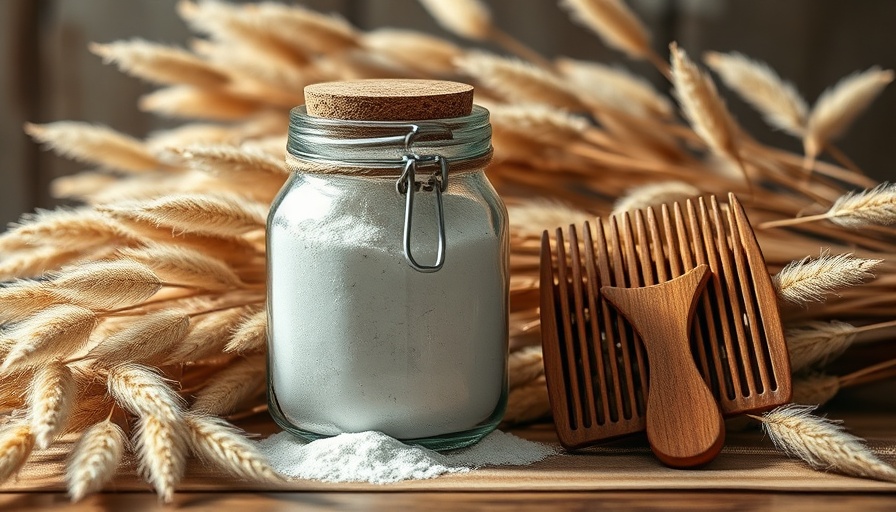
A Simpler Way to Refresh Your Hair: The Truth About DIY Dry Shampoo with Arrowroot
Some mornings don’t cooperate. You wake up already feeling behind, and washing your hair slips from “routine” to “optional.”
You stare at your reflection, noticing the shine at your roots that isn’t quite the glow you were hoping for. It’s in these moments that dry shampoo earns its place in modern life — not as a beauty luxury, but as a practical solution.
Yet more people are beginning to question what’s actually in those spray bottles and whether there’s a simpler, more transparent alternative. That curiosity has led many back to something surprisingly basic: arrowroot powder.
DIY dry shampoo isn’t a new idea, but it feels newly relevant in a world where ingredient awareness and sustainability are becoming everyday conversations.
It’s not about rejecting modern products altogether. It’s about asking whether something simpler might work just as well — or well enough — for the life you’re actually living.
Why Arrowroot Powder Works (And What It Actually Does)
Arrowroot powder is a fine starch extracted from tropical plants. Its structure allows it to absorb moisture and oil efficiently, which is exactly why it works as a dry shampoo base.
When lightly applied to the scalp, it clings to excess oil, reducing that greasy appearance and giving hair a fresher look at the roots. The effect is cosmetic and temporary — but for many people, that’s all that’s needed to get through a busy day or extend time between washes.
It’s important to be clear about its role. Arrowroot does not treat scalp conditions. It doesn’t rebalance oil production long term. It doesn’t “heal” hair. It simply absorbs oil.
That distinction matters because dry shampoo — whether homemade or store-bought — is a styling tool, not a treatment.
Dermatologists often emphasize that the scalp is simply skin with hair follicles. Like the skin on your face, it responds best to gentle ingredients used in moderation. Starch-based powders like arrowroot are generally considered mild and low-irritation for most people.
However, overuse can lead to buildup, which may clog follicles or cause itching over time. The key isn’t the ingredient alone — it’s how frequently and heavily it’s applied.

Customizing It to Match Your Hair (Without Overcomplicating It)
One of the biggest appeals of making your own dry shampoo is customization. Unlike commercial products that attempt to match “light” or “dark” shades in broad categories, DIY allows you to adjust slowly and precisely.
A foundational blend often includes:
2 tablespoons arrowroot powder
1–2 tablespoons unsweetened cocoa powder (for darker hair tones)
½ tablespoon cornstarch (optional, for added oil absorption)
A small pinch of baking soda (optional and best used cautiously if your scalp is sensitive)
For brunettes, cocoa powder can help the mixture disappear into the roots more naturally. For those with auburn or warm undertones, a tiny sprinkle of cinnamon may add warmth — though cinnamon can irritate sensitive skin, so patch testing is wise.
Blondes often skip color additions entirely and stick to pure arrowroot.
The beauty of this approach is that nothing is permanent. You can start with a small batch, adjust the shade, tweak absorption levels, and gradually refine the blend. That flexibility gives you control rather than forcing your hair to adapt to a fixed formula.
How to Apply It So It Looks Natural
Technique matters more than people realize. Many dry shampoo disappointments come from over-application. Dumping powder directly onto the scalp often leads to chalky roots or visible residue.
A cleaner method involves using a makeup brush or soft powder brush. Lightly dip into the mixture, tap off excess, and gently press it into oily areas — typically along the part line, crown, and hairline. Allow it to sit for one to two minutes before massaging or brushing through.
That pause allows the starch to absorb oil effectively. When used lightly and blended thoroughly, the result should be subtle: softer roots, less shine, and slightly more volume. If hair feels heavy or dusty, it’s usually a sign too much product was applied.
Dry shampoo works best as a refresh, not a coating.

Comparing It to Store-Bought Options: A Balanced View
It’s easy to assume homemade equals healthier, but the reality is more nuanced. Many aerosol dry shampoos contain alcohol, fragrance, propellants, and texturizing agents.
These ingredients can irritate sensitive scalps, particularly with heavy use. There have also been high-profile recalls in recent years due to contamination concerns in aerosol products, which understandably increased consumer skepticism.
That said, not all commercial dry shampoos are harsh. Many non-aerosol formulas already use starches similar to arrowroot and are designed with sensitive scalps in mind. Some brands offer refill systems and minimal ingredient lists.
So DIY isn’t automatically superior. Its main advantage is transparency. You know exactly what you’re using. For some people, that clarity is enough to justify the switch. For others, convenience remains the priority. Neither choice is inherently wrong — it’s simply a matter of preference and values.
The Financial Reality: Small Savings Over Time
When you look at the cost of dry shampoo over a year, the difference becomes clearer. A $15 bottle used monthly adds up quickly. Arrowroot powder, by contrast, costs only a few dollars per bag and can last for months, even with regular use.
The savings aren’t dramatic overnight. But over time, especially in households where multiple people use dry shampoo, the difference can become meaningful. That’s often how sustainable habits take root — not through extreme changes, but through small, consistent shifts that gradually reshape spending patterns.
Of course, DIY requires a little time and effort. For some, the ritual of mixing and storing a blend feels satisfying. For others, grabbing a ready-made bottle is worth the extra cost. It’s helpful to weigh both sides honestly.

Environmental Impact: Helpful, But Not Perfect
From a sustainability standpoint, DIY dry shampoo can reduce certain types of waste. You eliminate aerosol propellants, reduce plastic packaging, and avoid synthetic fragrances that eventually wash into waterways.
However, arrowroot itself is often imported, meaning transportation contributes to its carbon footprint. And as more companies move toward refillable packaging and non-aerosol designs, the environmental gap between DIY and store-bought products narrows.
DIY is not a zero-impact solution. But it can be a lower-waste option depending on how it’s sourced and stored. It fits into a broader mindset of reducing disposable consumption rather than a claim of environmental perfection.
Small steps still matter — they just don’t need to be exaggerated.
A Bridge Between Wash Days, Not a Replacement
One misconception worth clearing up is the idea that dry shampoo — homemade or commercial — can replace washing indefinitely.
It can’t. Over time, oils, sweat, dead skin cells, and product residue accumulate on the scalp. Without cleansing, this buildup can lead to irritation or dullness.
Most dermatology professionals suggest using dry shampoo occasionally between washes rather than daily for extended periods. Think of it as a bridge that buys you time — not a permanent substitute for shampoo.
Used that way, arrowroot-based dry shampoo can be a helpful tool rather than a crutch.
The Quiet Appeal of Simplicity
At the heart of the DIY movement isn’t just oil absorption. It’s simplicity. There’s something grounding about using a basic ingredient for a clear purpose. No marketing claims. No complicated instructions. Just a practical solution for a common problem.
On mornings when everything feels rushed, having a small jar that does exactly what you expect can feel surprisingly reassuring. It won’t change your hair biology.
It won’t solve long-term scalp concerns. But it can make your hair look refreshed in minutes — and sometimes that’s exactly what you need.
In a world full of complicated beauty promises, that kind of straightforward usefulness has its own quiet power. Looking for inspiration around sustainable choices and eco-conscious living? Browse more features in Eco Living, or explore additional lifestyle and wellness coverage on Sacramento Living Well.
---
Written by the Sacramento Living Well Editorial Team — proudly published by DSA Digital Media, sharing thoughtful, community-centered sustainability insight.


Write A Comment