
Eating colorful fruits and vegetables helps the body get a wider range of nutrients that support long-term health. Many people think healthy eating requires strict diets or complicated rules, but research consistently shows that simply including a variety of plant colors on the plate is linked with better nutrition and lower risk of many chronic diseases. The colors in these foods come from natural plant compounds that contribute to the body’s overall well-being.
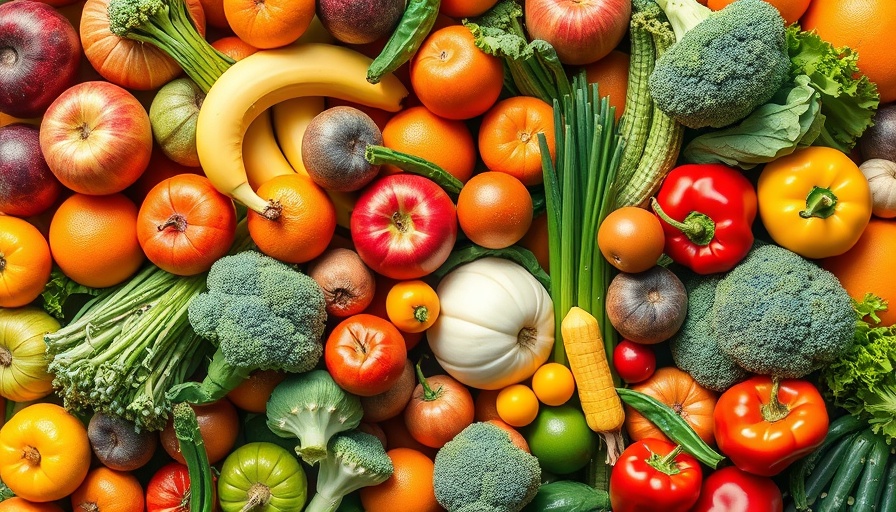
Brighten Your Spring Meals: Why Eating Colorful Foods Truly Matters
If you’ve ever wandered through the produce section in early spring, you probably know the feeling. The shelves suddenly seem brighter.
Strawberries glow like small red gems. Crisp asparagus stands in neat bundles. Deep purple cabbage almost shines under the lights. After the muted tones of winter, the explosion of color feels refreshing — almost energizing.
Spring has a way of renewing everything around us. Trees begin to bud, flowers open, and farmers’ markets start filling with baskets of fresh produce. But this seasonal shift doesn’t only happen outside. It can happen on your plate too.
You’ve probably heard the phrase “eat the rainbow.” It may sound like a trendy slogan, but the idea behind it is grounded in real nutrition science.
Eating a variety of colorful fruits and vegetables helps ensure that your body receives a wide range of vitamins, minerals, fiber, and protective plant compounds.
The beauty of this approach is its simplicity. You don’t need complicated meal plans or strict diet rules. Sometimes the easiest way to build a healthier plate is simply to look at the colors in front of you.

When Your Plate Looks Alive, Your Body Responds
Think about the last time you ate a meal that was mostly beige — maybe pasta, bread, or something fried. It might have tasted good and filled you up, but it probably didn’t leave you feeling particularly energized.
Now picture a plate layered with roasted orange sweet potatoes, leafy green vegetables, bright red tomatoes, and a handful of blueberries on the side. Before you even take a bite, the meal feels different. It looks fresh, vibrant, and nourishing.
That visual difference matters more than most people realize.
The colors found in fruits and vegetables come from natural compounds called phytonutrients. These compounds help plants survive sunlight exposure, pests, and environmental stress. Interestingly, when humans consume those same plant compounds, they appear to support many of our own biological processes as well.
Dr. David Katz, a physician specializing in preventive medicine and the former founding director of the Yale Prevention Research Center, has long emphasized that overall dietary patterns are more important than any single “superfood.”
His research consistently shows that diets built around whole, plant-rich foods form one of the strongest foundations for long-term health.
What makes colorful eating powerful is that it naturally encourages variety. Instead of focusing on one ingredient or nutrient, a colorful plate introduces a range of compounds that work together in the body.
That diversity is what helps support energy levels, immune health, and long-term wellness.

Red Foods: Supporting the Heart and Cellular Health
Red fruits and vegetables such as tomatoes, strawberries, cherries, and watermelon contain powerful compounds like lycopene and anthocyanins. Lycopene, in particular, has been widely studied for its potential role in supporting heart health.
Researchers have observed that diets rich in lycopene-containing foods are associated with a lower risk of certain cancers, especially prostate cancer.
While scientists are careful to note that these foods don’t prevent disease on their own, consistent patterns show that people who eat more colorful plant foods often experience better long-term health outcomes.
Red foods also contain antioxidants, which help reduce oxidative stress in the body.
Oxidative stress occurs when unstable molecules damage cells over time, contributing to aging and chronic illness. Antioxidants help neutralize those molecules, giving the body additional protection.
In everyday terms, adding red foods to your meals helps your body manage daily wear and tear more effectively.
Even small additions can make a difference. A handful of strawberries in the morning, sliced tomatoes in a sandwich, or fresh cherries as a snack can introduce these beneficial compounds without changing your routine dramatically.
Orange and Yellow: Fuel for Vision and Immunity
Orange and yellow fruits and vegetables get their bright color from carotenoids, a family of plant pigments that includes beta-carotene.
Foods like carrots, sweet potatoes, mangoes, peaches, and yellow bell peppers are rich in these compounds. When consumed, beta-carotene can be converted by the body into vitamin A, a nutrient essential for vision, immune function, and healthy skin.
That’s why carrots have long been associated with eye health. But the benefits extend beyond eyesight. Carotenoids may also help support healthy cholesterol levels and contribute to overall immune resilience when eaten regularly as part of a balanced diet.
Adding these foods to meals can also improve the overall satisfaction of a dish. A roasted sweet potato brings warmth and sweetness to a plate. Fresh mango slices can brighten a bowl of yogurt. Even thin slices of yellow pepper can add color and crunch to a simple salad.
Over time, these small colorful additions help build a more balanced and nourishing eating pattern.

Green Vegetables: The Everyday Powerhouses
Green vegetables may not always be the most exciting foods on the table, but they are often among the most important.
Leafy greens such as spinach and kale, along with vegetables like broccoli, green beans, and Brussels sprouts, provide a wide range of nutrients including fiber, folate, vitamin K, and antioxidants.
Dr. Walter Willett, a professor of epidemiology and nutrition at Harvard’s T.H. Chan School of Public Health, has spent decades studying dietary patterns and chronic disease.
His research consistently shows that higher vegetable intake is associated with lower risks of heart disease, stroke, and certain cancers.
These vegetables also help support the body’s natural detoxification systems. The liver processes and removes waste products every day, and compounds found in green vegetables appear to assist in these natural metabolic pathways.
What makes green vegetables so valuable is their versatility. They can be sautéed, roasted, blended into smoothies, or simply tossed into salads. Because they pair well with many flavors, they make it easier to add nutrients to meals without complicated preparation.
In many ways, greens form the backbone of a healthy plate.
Blue and Purple: Supporting Brain Health Over Time
Blueberries, blackberries, eggplant, and purple cabbage owe their deep color to compounds called anthocyanins. These natural pigments have been widely studied for their potential anti-inflammatory effects.
Research suggests that diets rich in anthocyanin-containing foods may support brain health as people age. Some studies have linked regular berry consumption with better memory retention and cognitive performance.
While scientists continue to explore this connection, the broader pattern is clear: people who regularly eat a variety of fruits and vegetables tend to experience better long-term health outcomes.
Blue and purple foods are especially easy to incorporate into daily meals. A handful of blueberries can transform a bowl of oatmeal. Purple cabbage can add color and crunch to tacos or salads. Even roasted eggplant can bring rich flavor and texture to simple dishes.
These foods serve as gentle, long-term support for the body — small additions that may help protect health over time.

White and Brown: The Quiet Contributors
While brightly colored produce often gets the spotlight, foods with softer tones still offer valuable nutrients.
Garlic, onions, cauliflower, and mushrooms contain unique plant compounds that contribute to heart health and immune support. Garlic and onions provide sulfur-based compounds that have been associated with cardiovascular benefits.
Mushrooms are particularly interesting because they contain antioxidants and nutrients that may support gut health and immune function. They also provide savory flavor, making them a satisfying addition to many dishes.
These foods remind us that the rainbow doesn’t only consist of bold colors. Even subtle shades add to the overall diversity of nutrients in a meal.
What the Science Actually Recommends
Nutrition advice can sometimes feel overwhelming. But the core recommendations are surprisingly straightforward.
The American Cancer Society suggests consuming at least 2½ cups of fruits and vegetables per day, while many nutrition experts encourage closer to 4½ cups to maximize nutrient diversity.
Dr. Frank Hu, professor of nutrition and epidemiology at Harvard, has noted through extensive research that higher fruit and vegetable intake is consistently associated with lower risk of major chronic diseases, including heart disease and type 2 diabetes.
Importantly, these studies don’t suggest that any single food guarantees protection. Instead, they highlight patterns. People who regularly eat a wide variety of plant foods tend to experience better long-term health outcomes.
And color is one of the simplest ways to recognize that variety.

The Grocery Cart Reality Check
The next time you go grocery shopping, take a quick glance inside your cart.
What colors do you see?
If most items are beige — bread, crackers, frozen foods — you’re not alone. Modern eating habits often drift toward convenience foods that lack color and fiber.
Rather than trying to overhaul your diet overnight, start with a small shift. Add one new color to your cart each week.
Maybe it’s purple cabbage this time. Bright red peppers next time. Golden beets the week after that.
Over time, these small choices gradually transform your meals.
Color Changes More Than Nutrition
Colorful meals can influence more than just your nutrient intake.
When food looks vibrant and inviting, people often slow down and enjoy the meal more fully. Cooking becomes more creative, and eating becomes a more intentional experience.
If you’ve ever felt stuck in a food rut — repeating the same lunches and dinners week after week — adding color can break that pattern. It encourages experimentation and helps reconnect you with the enjoyment of cooking.
In many ways, colorful eating reflects the rhythms of nature. Just as spring brings new growth outdoors, it can inspire renewal in the kitchen.

A Simple Way to Begin
You don’t need a complicated nutrition plan to start eating more colorfully.
Begin with simple steps:
Add berries to breakfast
Include multiple vegetables in salads
Roast a mixture of colorful vegetables instead of serving just one side dish
Keep washed fruit visible in the refrigerator for easy snacks
These small changes are easy to maintain, and they gradually build healthier habits over time.
The Bottom Line
Healthy eating doesn’t have to be complicated.
Often, it starts with something as simple as noticing color.
When your meals include a wide variety of fruits and vegetables, your body receives a broader range of nutrients and plant compounds. Research consistently shows that these eating patterns are associated with improved long-term health.
As spring unfolds, let your meals reflect the season — bright, fresh, and full of life.
Sometimes the simplest question can make the biggest difference:
How many colors are on your plate today?
Curious about how better nutrition can boost your energy and focus? Visit our Nutrition Guide for easy-to-understand wellness tips, and explore more topics on Sacramento Living Well.
---
Authored by the Sacramento Living Well Editorial Team — a publication of DSA Digital Media, dedicated to highlighting wellness, local living, and inspiring community stories throughout Greater Sacramento.


Write A Comment